
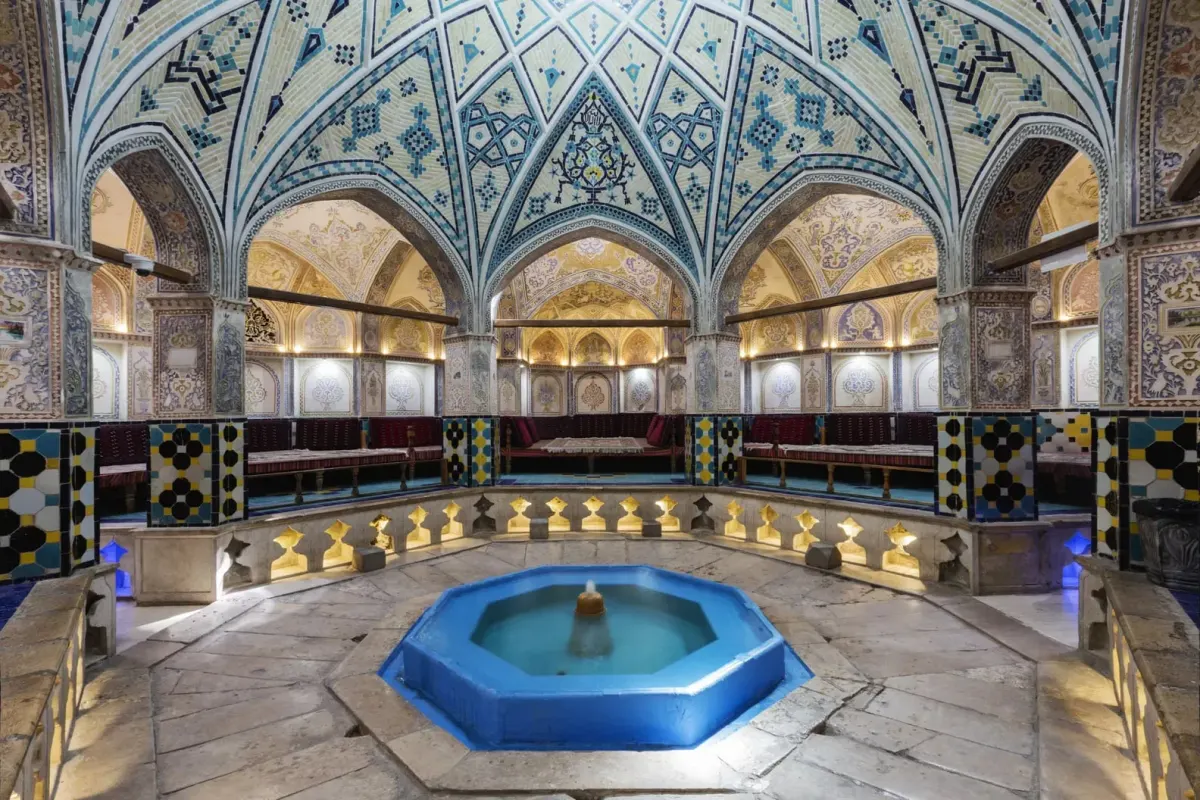
Turkish Hammam invites travelers and locals alike into a centuries-old ritual of heat, steam, and social cleansing that unfolds with deliberate pace, rich textures of marble and water, and a sense of ceremony carried by generations of practice. This experience blends warmly heated rooms, slow, mindful breathing, and careful cleansing to create a lasting impression of traditional bath relaxation that warms the skin, eases muscular tension, and quiets the busy mind after long days of travel. In exploring the flow of the session, you’ll notice how the Turkish Hammam guides you through a sequence of spaces, gentle washing, and massage that feels intimate yet communal, inviting conversation, quiet reflection, and a shared rhythm. The atmosphere—dim light, polished marble, the hiss of steam, and the hum of respectful conversation—supports a mindful sensory journey in which breathing naturally slows and the body welcomes warmth, cleansing, and soft, restorative touch. For visitors planning a wellness journey, this introduction highlights the distinctive cultural ritual at the heart of this experience and its enduring appeal as a meaningful path to calm.
From an SEO and reader perspective, related terms like Turkish bath rituals, Ottoman bath culture, steam bath tradition, and public bath heritage can describe the same experience from different angles. Latent Semantic Indexing suggests pairing these phrases with closely linked ideas such as ritual cleansing, sensory immersion, and spa etiquette to help search engines interpret the topic without stuffing exact terms. In web writing, weaving these semantically related concepts creates a richer narrative and expands potential search queries without compromising readability. Practically, travelers might picture a heritage steam room, a ceremonial cleanse, and a mindful massage as overlapping components of a broader wellness journey. Ultimately, blending cultural language with modern spa concepts clarifies expectations and shows how age-old bathing rites can complement contemporary treatments.
Turkish Hammam: A Timeless Ritual for Deep Relaxation
The Turkish Hammam is a ritual-driven bath experience that blends heat, steam, and a carefully sequenced journey through multiple rooms. This atmosphere—humid air, soft light, and polished marble underfoot—invites slow breathing and a mindful pace that anchors traditional bath relaxation and Turkish bath rituals.
Rather than a quick treatment, a hammam unfolds as a social, ceremonial practice that centers breathing, presence, and a sense of ritual. The cumulative effect—warmth seeping into muscles, steam easing tightness, and a respected pace—helps the body relax deeply and can leave the mind feeling refreshed and calm.
Hammam vs Spa: Weighing Ritual Depth Against Treatment Variety
Hammam vs spa: in a hammam vs spa comparison, the hammam is ritual-driven with a fixed sequence designed to cultivate relaxation through progressive heat, cleansing, and massage. A spa, by contrast, often presents an a la carte menu of therapies, allowing guests to tailor timing and treatments to their needs.
In a spa experience comparison, many people appreciate the variety of treatments and customization, but the hammam offers a different kind of calm—one rooted in ceremony, social warmth, and steady pacing. If you’re seeking a lasting sense of tranquility tied to culture and ritual, the hammam may feel more transformative than a standard spa visit.
Traditional Bath Relaxation: The Body-Mind Benefits of Heat and Steam
Traditional bath relaxation hinges on heat-induced vasodilation, improved circulation, and eased muscle tension after travel or long days. The steam also softens the skin and can support easier breathing for those who enjoy humid environments, making the overall experience physically soothing.
Cleansing rituals—scrub with kese, foaming wash, and a massage—work together to release tension in the shoulders and back. Beyond physical effects, the mindful pace and repetitive, gentle motions encourage mental clarity and emotional calm.
Turkish Bath Rituals: What to Expect in a Classic Hammam Experience
Turkish Bath Rituals unfold in familiar stages: arrival and acclimation to heat, a cleansing exfoliation with kese, and a foam massage followed by a final rinse. In traditional settings, attendants (often called tellaks) guide guests through the sequence, creating a rhythmic, meditative experience anchored by Turkish bath rituals.
Etiquette matters: communicate comfort levels, skin sensitivity, and massage pressure. If the session is mixed-gender or gender-segregated, follow facility rules and the attendants’ guidance so the experience remains soothing and respectful, reinforcing the ritual’s sense of care.
Integrating Turkish Hammam into Your Modern Wellness Routine
Integrating Turkish Hammam into a modern wellness routine can balance ritual depth with broader spa benefits. Plan regular visits to maintain the traditional bath relaxation cadence, and intersperse with targeted spa therapies to address specific needs—an approach that blends hammam rituals with a wider health focus.
Practical tips include staying hydrated, pacing exposure to heat, and resting after the session. When choosing venues, prioritize hygiene and consistency, and consider combining a steam-focused hammam segment with post-treatment spa therapies for a well-rounded wellness day.
Frequently Asked Questions
What is a Turkish Hammam, and how does it compare to the hammam vs spa experience?
A Turkish Hammam is a ritual-driven traditional bath experience built around steam, heat, cleansing, and massage in a sequence of rooms. By contrast, the hammam vs spa experience often emphasizes a menu of treatments and flexible scheduling rather than a fixed ritual.
What are the stages of Turkish bath rituals in a Turkish Hammam, and how do they contribute to traditional bath relaxation?
The typical Turkish bath rituals unfold in stages: warming in a comfortable room, moving to a hotter room with heated marble, exfoliation with a kese, a foaming massage, and a final rinse. This structured progression promotes slow breathing, muscle relaxation, and a mindful pace that enhances traditional bath relaxation.
Can you combine a Turkish Hammam with a spa day, and what does a spa experience comparison tell you about the two approaches?
Yes. Many guests pair a Turkish Hammam with a spa day to enjoy ceremonial warmth alongside targeted therapies. A spa experience comparison often shows that hammams prioritize ritual, breathing, and social atmosphere, while spas offer customizable treatments and quicker pacing.
What physical and mental benefits come from traditional bath relaxation in a Turkish Hammam?
Benefits include improved circulation from heat, reduced muscle tension, eased breathing in humid air, smoother skin from cleansing, and a calmer mind fostered by mindful pacing and the communal, ritual setting of the hammam.
What should a first-time visitor know about Turkish bath rituals for a comfortable Turkish Hammam experience?
First-timers should expect a pestemal towel, heat acclimation, exfoliation with a kese, and a cleansing massage. Communicate comfort levels, skin sensitivity, and pressure preferences, and follow venue etiquette to keep the Turkish bath rituals soothing and respectful.
| Topic | Key Points |
|---|---|
| What is a Turkish Hammam? |
|
| Hammam vs Spa: Core Differences |
|
| Benefits: Physical & Mental |
|
| Turkish Bath Rituals: What to Expect |
|
| The Spa Experience vs Hammam Etiquette |
|
| Incorporating Traditional Bath Relaxation |
|
| Choosing Between Hammam and Spa |
|
| Practical Tips for a Relaxing Hammam Visit |
|
| Common Myths Debunked |
|
Summary
Concluding note: the Turkish Hammam embodies a timeless ritual blending warmth, steam, cleansing, and mindful pacing to soothe body and mind. Between the hammam experience and modern spa options, readers can choose a path that emphasizes ritual depth or treatment variety, or even combine both for a holistic wellness routine.