
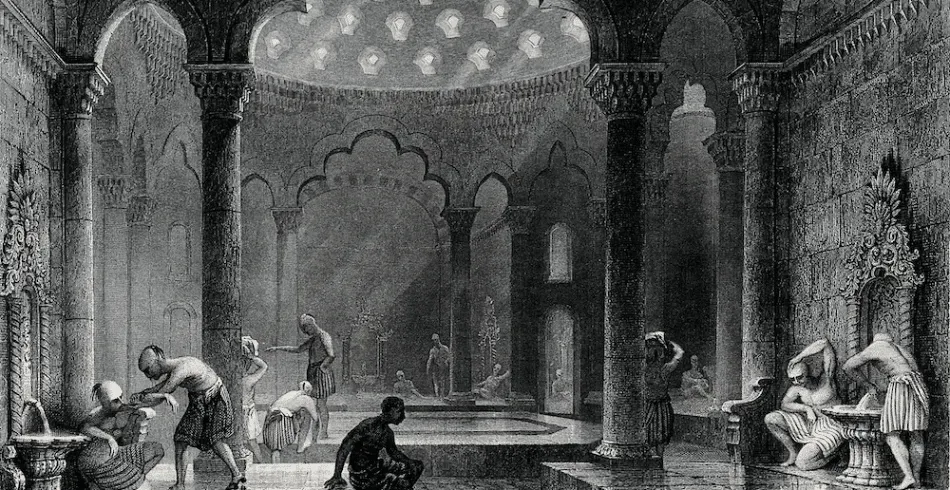
Turkish Hammam History is a journey through time, tracing how steam, heat, and ritual transformed public bathing into a cornerstone of culture. From ancient bath traditions, including Ottoman baths, to the grand Ottoman-era hammams and, finally, to contemporary spa culture, it reveals how community rituals and Turkish bath architecture shaped daily life. This story is about more than cleanliness; it explores social rituals, artistry, and the enduring appeal of Hammam rituals. It traces evolving practices from public baths to modern spa culture, showing how a ceremonial past continues to inform today's wellness experiences and Turkish bath culture. Exploring Turkish Hammam History invites readers to imagine steam-filled rooms, marble surfaces, and communal self-care as living heritage.
Viewed through a broader lens, the essence of this legacy lives in more than steam rooms—it's a centuries-long tradition of communal cleansing and hospitality. Scholars describe the Ottoman baths as social institutions where architecture, ritual, and craftsmanship fused to shape everyday life. From marble sanctuaries to today's spa environments, the philosophy of care, balance, and mindful self-renewal persists within Turkish bath culture. By connecting historic hammams to modern wellness spaces, this approach highlights harmonized routines, hydrotherapy, and personalized services that define the contemporary spa landscape.
Turkish Hammam History: From Ancient Bath Traditions to Modern Spa Culture
Turkish Hammam History traces steam, heat, and ritual from ancient bathhouses to the grandeur of Ottoman era hammams and into today’s modern spa culture. It is more than cleanliness; it is a dialogue between body and community, a choreography of space and warmth that links generations through shared rituals.
From the early bath traditions of the Roman, Byzantine, and Persian worlds to Islamic adaptations, the hammam evolved into a distinctive practice rooted in ceremonial cleansing and social exchange. The journey shows how the sequence of warm and hot rooms became a trusted rhythm for gathering, conversation, and renewal—an enduring reflection of Turkish bath culture and Hammam rituals that travelers and locals alike have carried forward into contemporary wellness spaces.
Ottoman Baths and Hammam Rituals: Architecture, Heat, and Social Ceremony
During the Ottoman era, baths reached architectural and cultural prominence, becoming not only places to bathe but social hubs where families, merchants, scholars, and travelers intersected. Hammam rituals—steam, kese exfoliation, and foam massage—were refined through generations, with attendants mastering the techniques that define the experience.
The architecture of Ottoman hammams—large marble ablution rooms, domed ceilings, and intricate tilework—was deliberately designed to optimize warmth and humidity. This design creates a sanctuary where body and spirit can be renewed, and where Turkish bath culture is expressed through space as much as through procedure.
Turkish Bath Culture and Social Rituals in the Public Sphere
From its inception, the hammam served as a social equalizer, housing a range of rites from weddings to naming ceremonies and seasonal gatherings. Etiquette—participating fully in the cleansing ritual, tipping attendants, and following the room sequence—built a shared language of respect and hospitality that reinforced community bonds.
Over time, Turkish bath culture shaped gender roles, local economies, and daily life as bath attendants, soap makers, and tile craftsmen contributed to a thriving ecosystem. The ritual transcended mere cleansing, becoming a mindful, communal practice that choreographs the rhythm of public life.
Turkish Bath Architecture: Design Principles, Materials, and Atmosphere
A defining thread of Turkish bath architecture is the interplay of materials and climate control. Marble and limestone surfaces, domed ceilings, and a central heating system channel warm air through the spaces are not only beautiful but functional, regulating humidity and enhancing the sensory experience.
The sequence—reception in the misafirhane, acclimation in the warm room (psh), perspiration in the hot room (hararet), and a restorative cool-down—embodies a spatial rhythm. This architectural logic informs both historic hammams and modern spa interiors, where design preserves the ritual cadence while inviting contemporary comforts.
Preservation, Innovation, and Global Influence: The Legacy in Modern Spa Culture
Preserving core rituals and architectural heritage remains central as Turkish Hammam History evolves. At the same time, innovation—sustainable heating, eco-friendly materials, hydrotherapy, aromatherapy, and personalized services—ensures hammams stay relevant within Modern spa culture.
The hammam’s cross-cultural influence extends beyond Turkey, shaping bathhouse designs in Europe, the Americas, and beyond. Modern spa culture borrows the hammam’s sensibilities—steamy sessions, ritual cleansing, and a focus on mindfulness—while adapting to local preferences, underscoring how Turkish Hammam History continues to inspire global wellness trends.
Frequently Asked Questions
What is Turkish Hammam History and how did Ottoman baths influence its early development?
Turkish Hammam History traces bathing from ancient public baths through the Ottoman era, where Ottoman baths transformed cleansing into ritual and social life. The hammam experience typically flows through warm and hot rooms, with kese exfoliation and foam massage, while architecture features domed ceilings, marble, and tiled surfaces designed to regulate heat and humidity. In today’s modern spa culture, these core Hammam rituals persist, complemented by hydrotherapy and aromatherapy.
How did Turkish bath culture function as a social space in the Ottoman era and what legacy does it leave for Modern spa culture?
Turkish bath culture in the Ottoman era acted as a social equalizer and gathering place with gender-segregated spaces, weddings, and merchants. Attendants, soap makers, and tile craftsmen supported a thriving ecosystem around the hammam, while hospitality and etiquette shaped everyday life. The legacy continues in modern spa culture, where guided rituals, shared experiences, and wellness-focused service echo historical practice.
What makes Turkish bath architecture central to Turkish Hammam History and the ritual experience of hammams?
Turkish bath architecture—domed ceilings, marble ablutions rooms, central heating that channels warm air, and tiled walls—defines the hammam experience. The room sequence (reception, warm room, hot room, cool-down) and materials regulate humidity, light, and warmth, enhancing the sense of ritual and purification. This architectural logic remains a cornerstone of Turkish Hammam History and informs today’s spa designs.
In what ways has Turkish Hammam History influenced Modern spa culture globally?
From the Ottoman era to today’s spa landscape, Turkish Hammam History shaped global practices through steam, exfoliation, and massage as ritualized cleansing. Modern spa culture borrows hammam-inspired layouts, humidity, and treatment sequences while blending hydrotherapy, aromatherapy, and privacy options to suit diverse markets, creating a worldwide appreciation for Turkish bath culture.
What health and wellness benefits are associated with hammams, and how do Hammam rituals reflect the mind-body connection in Turkish bath culture?
Hammams have long been linked to physical benefits such as improved circulation, skin renewal, and muscle tension relief, as well as mood boosts and relaxation. Hammam rituals—steam, cleansing, and massage—support a mindful, body-centered experience that aligns with Turkish bath culture’s emphasis on balance and well-being. In modern contexts, these benefits persist alongside contemporary spa therapies.
| Section | Key Points |
|---|---|
| Origins and Early Concepts | Pre-Ottoman bathhouses with Roman/Byzantine/Persian roots; Islamic adaptation of steam baths; hammam concept: heated room sequence (warm to hot) and cleansing rituals blending purification with social exchange. |
| Ottoman Era: The Rise of the Hammam | Hammams as social hubs; refined rituals (steam, scrubs, foam massages); kese exfoliating glove; attendants’ care; architecture with marble rooms, domes, and tilework optimized for warmth and humidity. |
| Architectural Marvels: Design and Atmosphere | Open, sunlit spaces with domed ceilings and central heating; room sequence (misafirhane reception, warm room, hot room, cool-down); tiles and marble regulate humidity and reflect light to enhance the sensory experience. |
| Social and Ritual Dimensions | Functioned as a social equalizer; gender-separated sections; hosted weddings and naming ceremonies; etiquette and rituals shaped hospitality, community life, and local economies (attendants, soap/tile crafts). |
| From Ottoman Baths to Modern Spa Culture | 19th–20th centuries saw Western-inspired wellness trends; ongoing essence of steam, exfoliation, massage, and ritual; modern spas blend tradition with hydrotherapy, aromatherapy, and personalized services. |
| Health, Wellness, and the Mind-Body Connection | Humidity, heat, and massage contribute to pore opening, circulation, mood improvement, and a sense of renewal; care for the body as a path to balance and vitality remains central. |
| Global Influence and Cross-Cultural Exchange | Hammam-inspired designs influenced Europe and the Americas; modern spas borrow humidity, steamed rooms, and ritual cleansing, shaping a global wellness movement rooted in Turkish traditions. |
| Modern Experiences: What to Expect in a Turkish Hammam Today | Washing in shared or private spaces, progressive warm and hot rooms, kese and foam massage, social ritual with personal reflection; heat and humidity adjusted for comfort; choose reputable hammams that honor tradition and convenience. |
| Preservation, Innovation, and the Future | Preserving core rituals and architectural heritage while adopting sustainable heating, eco-friendly materials, and spa therapies to keep hammams relevant and accessible. |
| A Cultural Lens: The Role of Turkish Hammam History in National Identity | Hammams symbolize hospitality, artistry, and shared public spaces; Turkish Hammam History links past and present, shaping national identity through motifs of steam, marble, and tile in museums, literature, and design. |