
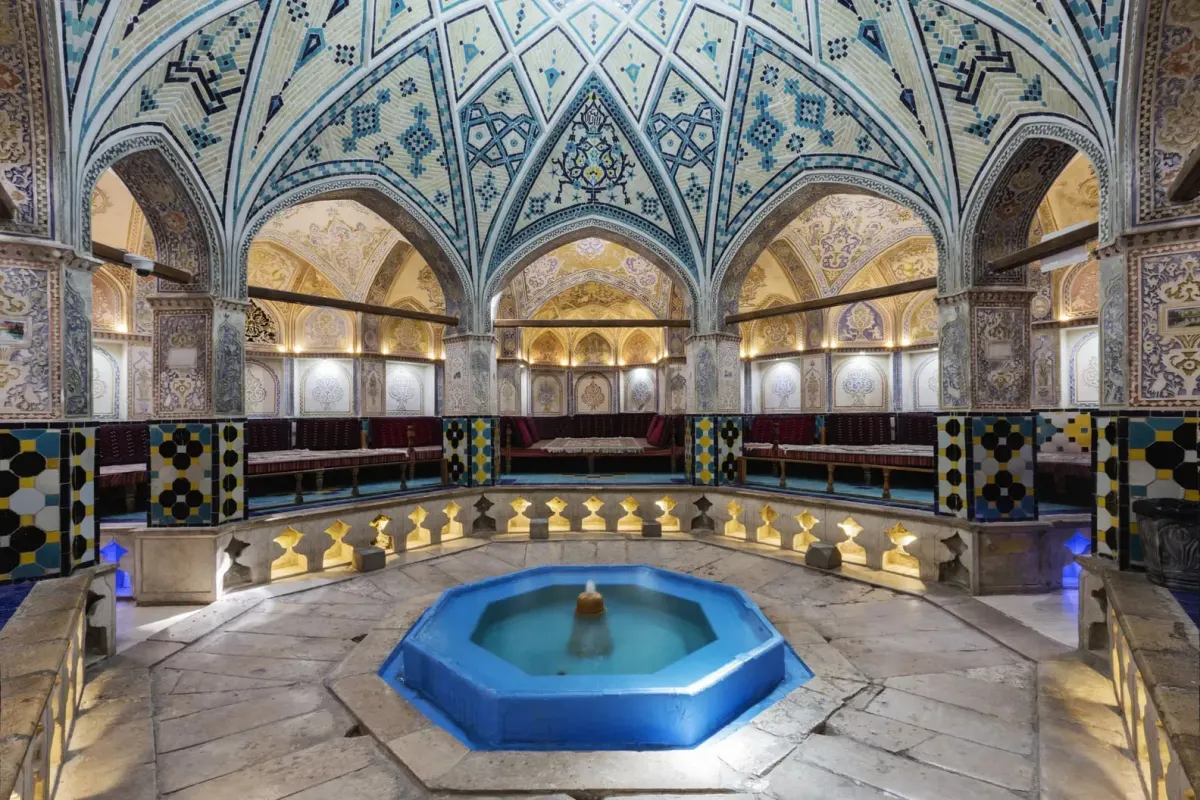
Turkish Hammam invites you to a sensory journey where heat, steam, ritual, and social warmth mingle with timeless beauty. Rooted in Turkish bath traditions, this centuries-old practice is more than cleansing—it’s a cultural choreography of architecture, hospitality, and wellness. As cities modernize, stepping into this traditional bath feels like crossing a threshold from everyday bustle to a mindful spa moment. It is also a space where Hammam etiquette—respectful silence, shared courtesy, and careful handling of fixtures—guides your experience. From the foam massage to exfoliation, the journey reveals the Benefits of a Turkish Hammam and connects you to the Turkish bath experience within Turkish spa culture.
In other words, this steam-filled ritual is a signature feature of the ancient bathhouse tradition that anchors social life and personal wellbeing. Sometimes called a bathhouse experience, it unfolds across a sequence of warmth, exfoliation, and rinsing, guided by trained attendants. Ottoman-era spa heritage and the broad Turkish spa culture inform the architecture, hospitality, and mindful practices that make the visit ceremonial rather than just cleansing. In practice, guests encounter a respectful, shared space where mindfulness, cleanliness, and community shape the overall experience. If you’re planning a first visit, consider this broader context—historic bath rituals, modern wellness facilities, and the social warmth that define this enduring tradition.
Turkish Hammam: A Timeless Bath Ritual and Social Tradition
The Turkish Hammam offers a sensory journey that blends heat, steam, ritual, and social warmth—a hallmark of Turkish bath traditions. Beyond a simple cleansing, it is a culturally rich practice that weaves architecture, hospitality, and wellness into a single, enduring experience. Readers can sense the ritual of preparation, the embrace of warmth, and the slow return to calm, all of which reflect a living tradition that bridges centuries with modern comfort.
In practice, the Hammam functions as more than a spa treatment; it is a social hub where locals and travelers alike engage in a shared rite. The marble spaces, domed ceilings, and carefully carved benches create a stage for mindful, communal care. This sense of togetherness—paired with personal cleansing and exfoliation—embodies the essence of Turkish spa culture, inviting guests to pause, observe, and participate with reverence for a long-standing cultural practice.
Understanding the Turkish Bath Experience: Stages, Heat, and Relaxation
The Turkish bath experience unfolds in stages designed to optimize comfort, cleansing, and renewal. It typically begins in a warm room to acclimate the body, followed by hotter chambers to open pores and ease muscle tension. This progressive journey culminates in a cool relaxation, giving the body time to reset and absorb moisture. Speaking to the tradition, the sequence reflects Turkish bath traditions that prioritize balance between heat, humidity, and social rhythm.
A key feature is the expert guidance of attendants who may perform kese exfoliation, foam massages, and thorough rinses. This choreography is not just about cleanliness but about mindfulness and ritual, turning a routine into a holistic wellness practice. Guests often find that the Turkish bath experience fosters a peaceful mental state, a calm presence, and a new appreciation for slow, intentional movement within a social setting.
Hammam Etiquette: Respectful Participation in a Shared Spa Space
Hammam etiquette shapes every interaction inside the bath, ensuring that guests feel safe, respected, and comfortable. Understanding local norms around attire, private versus mixed-gender areas, and appropriate behavior helps travelers engage with confidence and sensitivity. When in doubt, asking staff about dress codes and space usage supports a respectful experience for everyone involved.
The etiquette continues with how you engage with attendants and other guests: speak softly, allow space for others to enjoy the facilities, and acknowledge services with a gracious gesture. Tidiness, punctuality, and modesty all matter, as does personal hygiene before entering heated areas. Observing these cues preserves the harmonious, communal atmosphere that Hammams strive to maintain.
Benefits of a Turkish Hammam: Physical Renewal and Mental Calm
The Benefits of a Turkish Hammam extend beyond cleansing. The combination of heat, exfoliation, and hydration can improve circulation, help temporarily relieve muscle tension, and enhance skin tone through deep cleansing. Regular exposure to this ritualed routine may support better stress management and sleep quality by providing a structured moment of calm and self-care within a busy life.
Beyond the physical, the practice nourishes mental well-being and a sense of connection to a long-standing cultural practice. When approached with mindfulness, a Hammam visit can feel emotionally restorative as well as physically rejuvenating. This holistic approach aligns with the broader Turkish spa culture, where hospitality, community, and care are central to wellness experiences.
Turkish Spa Culture and the Turkish Bath Experience: A Cultural Immersion
Participating in a Turkish Hammam is a doorway to Turkish spa culture, where hospitality, communal warmth, and personal care intertwine with architectural beauty. Visitors learn to appreciate the domed ceilings, marble surfaces, and the quiet hum of conversation that characterize historic and modern hammams alike. This cultural immersion deepens the Turkish bath experience, inviting curiosity about origins, rituals, and the social fabric that supports wellbeing.
Approaching the experience with respect for tradition transforms a simple spa visit into a meaningful encounter. The blend of ancient practice and contemporary comfort allows travelers to slow down, breathe, and connect with people and places through shared routines of cleansing, exfoliation, and relaxation. Embracing these aspects fosters greater appreciation for global wellness practices and the enduring appeal of the Turkish Hammam.
Frequently Asked Questions
How does the Turkish Hammam embody Turkish bath traditions in its design and rituals?
A Turkish Hammam blends heat, steam, marble interiors, and ritual cleansing, rooted in Turkish bath traditions. The experience typically moves guests through a warm room, a hotter chamber, exfoliation with a kese, a soap massage, and a refreshing rinse, all guided by attendants to promote relaxation and communal well-being.
What can I expect from the Turkish bath experience, from arrival to cooling down?
The Turkish bath experience follows a progressive journey: arrival and preparation, a warm room to open pores, a hotter chamber for cleansing, exfoliation and foam massage, a rinse, and a cool-down with hydration. Attendants guide you through each step, balancing comfort with tradition and social ritual.
What Hammam etiquette should I follow to respect others during a Turkish Hammam visit?
Keep voices calm and dress modestly as per local norms; ask staff about private versus mixed spaces; tip attendants for services; shower or rinse as required; be mindful of fixtures and fellow guests.
What are the Benefits of a Turkish Hammam for body and mind?
Benefits include improved circulation, relief from muscle tension, and enhanced skin texture through exfoliation, plus a calming mental state from the cleansing ritual. Regular visits can support stress management and better sleep, all within the broader Turkish spa culture.
How should a first-timer prepare for a Turkish Hammam, and how does this fit with Turkish spa culture?
Research the facility’s rules and hours, pack essentials (towel, sandals, water, moisturizer), and hydrate before and after. Pace yourself in the heat, respect local norms, and ask staff if you’re unsure—preparation is part of embracing Turkish spa culture.
| Aspect | Description |
|---|---|
| Experience | A sensory journey blending heat, steam, ritual, and social warmth that creates a timeless bath experience. |
| Cultural significance | A traditional practice evolving over centuries, weaving architecture, hospitality, and wellness. |
| Modern contrast | Feels timeless while offering modern comfort and cleanliness. |
| Guide focus | This content outlines what to expect, how to participate respectfully, and how to maximize the Hammam experience. |
| Holistic essence | Mindfulness, ritual, and communal well-being describe the core of the Turkish bath experience. |
Summary
Turkish Hammam invites you to slow down and immerse in a centuries-old tradition that blends heat, ritual, and social warmth into a holistic wellness journey. This experience reveals a cultural practice rooted in architecture, hospitality, and communal well-being that has evolved through generations. From marble interiors and domed ceilings to mindful rituals guided by attendants, the Turkish Hammam offers relaxation, skin renewal, and a sense of connection to heritage. By approaching with respect for etiquette and curiosity, travelers can maximize the restorative benefits of the Turkish Hammam and carry a meaningful appreciation for global wellness traditions.