
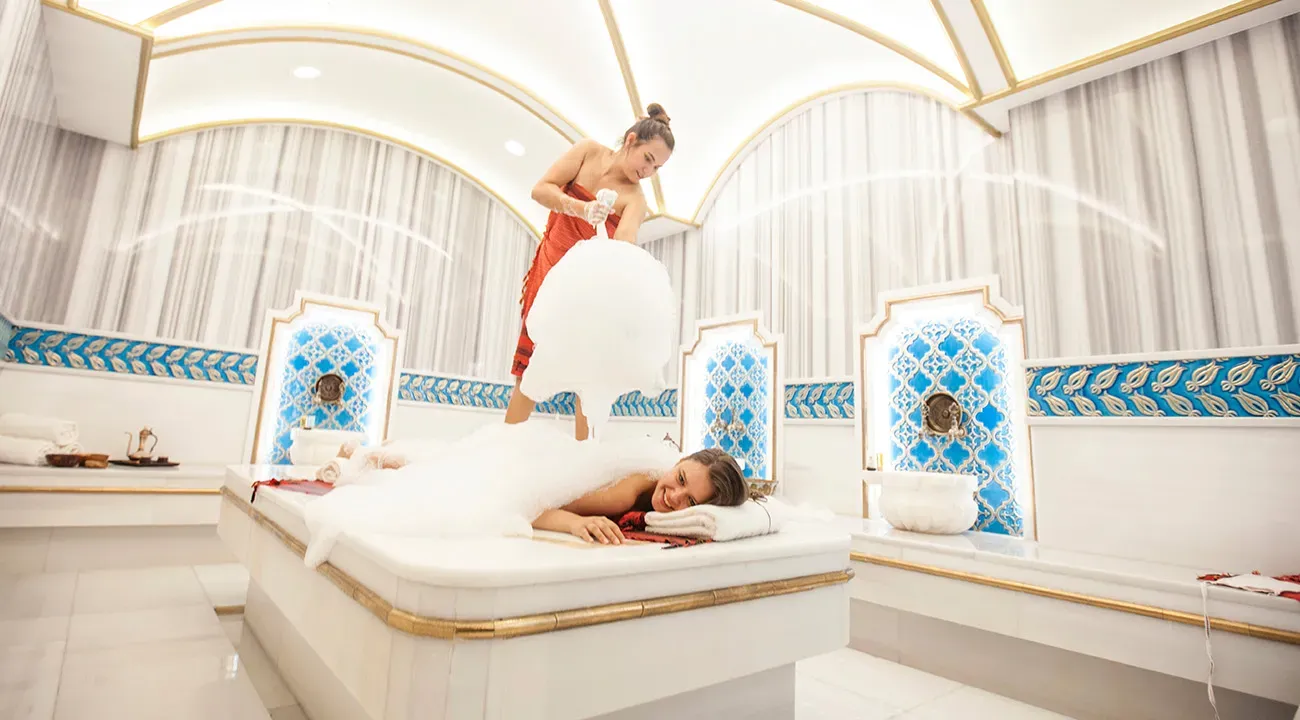
Turkish bath vs spa are often used interchangeably in travel guides, yet they describe distinct experiences rooted in long histories, ceremonial practices, and evolving ideas of well-being that go well beyond mere comfort. Understanding hammam differences reveals how a structured sequence of warm rooms, rising heat, and a traditional cleansing ritual creates a social, sensory journey that can contrast sharply with the more private, menu-driven approach found in many spa settings. If you wonder how a hammam works, you will follow a progression from a warm, humid chamber to hotter spaces, then cleansing with olive soap, exfoliation with a kese, and perhaps a massage—an order that many describe as both cleansing and meditative. In traditional turkish bath settings, experiences emphasize communal spaces and ritual steps, while spa experiences often prioritize individualized treatments, privacy, and a flexible array of services that can range from hydrotherapy to skincare. This comparison helps you weigh communal ritual against private indulgence.
From an LSI perspective, alternate terms such as hammam ritual, steam bath culture, and ottoman bath can widen the range of related queries while preserving the core concepts. A modern spa, in contrast, often centers on privacy and customization, which in search terms might connect to wellness retreats, facial therapies, hydrotherapy, and skincare routines. Equally, using phrases like bathhouse tradition, steam room sequence, and cleansing ceremony helps tie together regional practices with contemporary spa experiences. By mapping these semantic relationships, readers can explore authentic heritage sites or luxury wellness centers with greater clarity. In short, the topic spans cultural ritual, architectural design, and individualized care, offering multiple pathways to renewal depending on what you value most.
Turkish Bath vs Spa: Understanding the Hammam Difference
When comparing Turkish bath vs spa, the hammam differences reveal themselves in history, ritual, and social mood as much as in luxury. The setting, sequence, and communal pace of the experience shape expectations almost as much as the treatments themselves.
A Hammam is a traditional cleansing ritual with deep cultural roots, and many travelers seek a traditional turkish bath experience, whereas a modern spa presents a broad menu focused on personal pampering and rejuvenation—often without the communal ritual.
How a Hammam Works: Structure, Steam, and Rituals
How a hammam works is an architectural journey through increasingly warm rooms that prepare the body for cleansing, inviting steam and humidity to open pores and ease muscle tension.
From the heated chamber to the kese exfoliation and olive oil rinse, the ritual aims to detoxify, relax muscles, and foster a slow, mindful experience suited to traditional cleansing and social immersion.
Traditional Turkish Bath Etiquette and Rituals
Traditional Turkish Bath etiquette and rituals emphasize respectful conduct, shared space, and the rhythm of cleansing within a public or semi-public setting.
In many hammams, attire such as a pareo or towel is used in shared areas, guests communicate their comfort level to attendants, and the kese steps guide the intensity of exfoliation and massage.
Hammam Differences and Benefits: What a Turkish Bath Offers
Understanding hammam differences helps you set expectations for benefits like improved skin texture, enhanced circulation, and deeper relaxation that come from the heat, steam, and ritual sequence.
Beyond cleansing, turkish bath benefits often include stress relief, mental clarity, and cultural immersion that enriches travel, making the experience more than just a spa treatment.
Spa Traditions Turkish Bath Comparison: Finding Your Ideal Wellness Experience
In a spa traditions turkish bath comparison, travelers weigh authenticity, privacy, and breadth of services against ritual structure and communal atmosphere to determine the best fit.
Whether you seek the communal, ritual-rich experience of a Hammam or the private, tailored convenience of a modern spa, many facilities blend both to offer a hybrid wellness journey that satisfies diverse preferences.
Frequently Asked Questions
Turkish bath vs spa: what are the key hammam differences?
A Hammam is a traditional cleansing ritual with a sequence of heated rooms, steam, exfoliation with a kese, and often a massage in a communal setting. A spa is a broader wellness concept focused on private, individualized treatments and a wider menu of therapies. In short, hammam differences lie in ritual, communal spaces, and cultural roots, while spa experiences emphasize choice and personalization.
Turkish bath vs spa: what are the turkish bath benefits?
Turkish bath benefits include improved skin texture, better circulation, and relaxation from heat and cleansing rituals, plus the social, mindful atmosphere of the hammam. Spas offer similar relaxation and skin care, but emphasize private, customized treatments and modern therapies.
Turkish bath vs spa: how a hammam works?
How a hammam works: a room sequence—warm steam, cleansing with soap, exfoliation with a kese, and often massage—within a communal space designed for social cleansing. In contrast, a spa usually provides private or semi-private spaces with à la carte treatments, focusing on individualized experiences rather than ritual progression.
Traditional turkish bath vs spa traditions turkish bath comparison: what etiquette should you know?
Etiquette varies by region in traditional turkish bath settings, often including gender segregation, pareo or towel attire, and a pre-wash routine. In spa traditions turkish bath comparison, privacy and personal comfort are emphasized, with staff guiding etiquette for private or semi-private spaces. Always check local rules and communicate your comfort level with staff.
Spa traditions turkish bath comparison: which should you choose for authenticity vs privacy?
If you seek authentic cultural ritual, communal spaces, and a multi-step cleansing process, a traditional hammam offers that experience. If you prefer privacy, a broad menu of treatments, and personalized care, a spa is usually the better fit. Some facilities blend both, offering a hammam within a spa setting for a practical compromise.
| Aspect | Hammam (Turkish bath) | Spa |
|---|---|---|
| Definition | Traditional cleansing ritual with steam, cleansing, exfoliation, often communal. | Broader wellness concept with various services; privacy and customization common. |
| Focus / Experience | Ritual-driven, social interaction, cultural immersion. | Private, personalized treatments and individual pampering. |
| Environment | Shared spaces and a sequence of warm rooms; humid heat. | Private or semi-private spaces; comfort-focused surroundings. |
| Ritual components | Warm steam, olive or Hammam soap, kese exfoliation, massage (optional), rinse. | Hydrotherapy, massages, facials, body treatments; private treatment rooms. |
| Etiquette | Gender/privacy rules vary; may be segregated; attire policies; ask staff. | Privacy-focused etiquette; facility-specific rules. |
| Choosing | Seek authentic cultural ritual and cleansing emphasis. | Prefer private, customizable treatments and a broad menu. |
| Benefits | Detoxification, skin renewal, relaxation; social connection. | Relaxation, beauty, stress relief; personalized care. |
| Cultural significance | Cultural hubs in Turkey and MENA; historical architecture. | Global wellness concept; modern facilities and innovation. |
| Safety | Hydration, heat safety; caution for skin conditions. | Hydration, safety around heat and products; skin conditions caution. |
| Tips | Research facilities ahead of time; understand etiquette; communicate comfort level; bring essentials. | Research menu; discuss goals; check privacy options; bring essentials. |
Summary
Turkish bath vs spa offers two distinct paths to wellness, each rooted in a different tradition and approach. The Hammam emphasizes ritual, social cleansing, and cultural immersion, while a modern spa focuses on privacy, personalization, and a broad menu of treatments. Both can deliver relaxation, improved well being, and a renewed sense of energy, but they differ in environment, etiquette, and objectives. By understanding these differences, travelers and wellness seekers can choose the experience that best fits their goals, whether they seek the authentic cultural ritual of a Turkish bath or the flexible, contemporary care of a spa.