
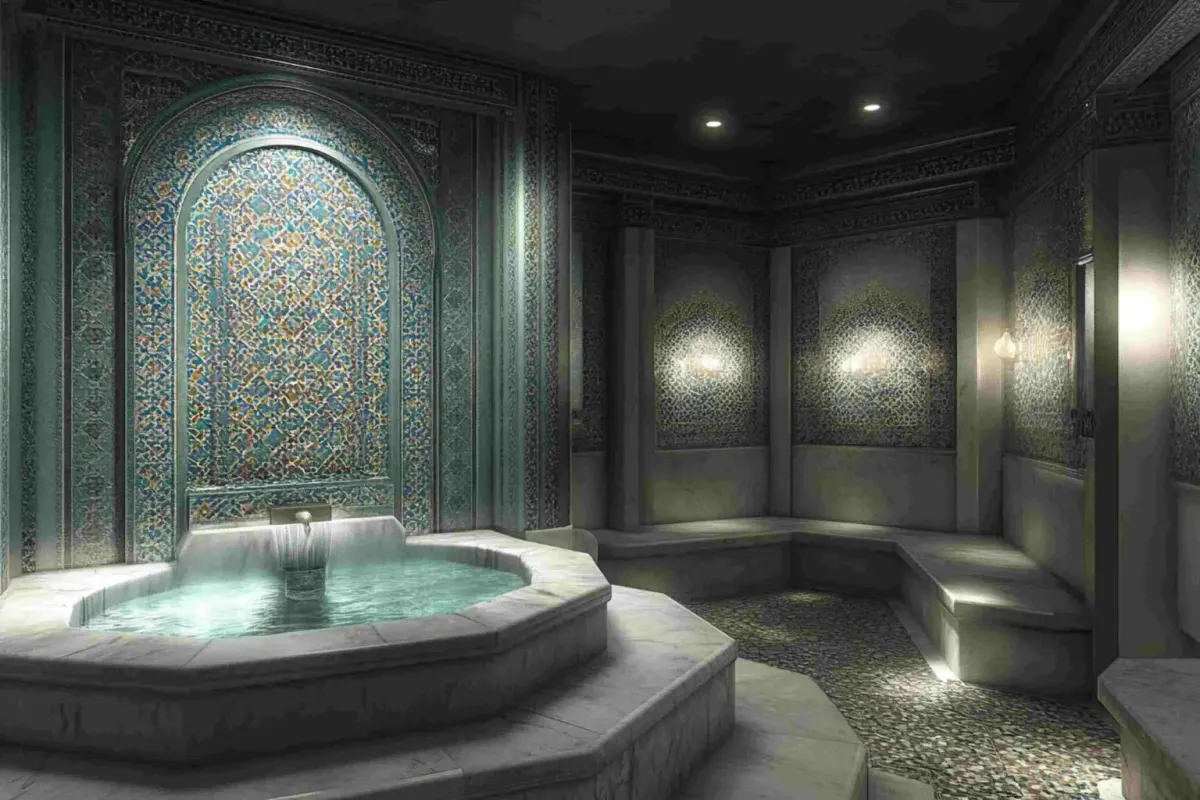
When choosing between spa experiences, the question of Turkish bath vs sauna often hinges on how your body responds to heat, humidity, and ritual. Exploring Turkish bath benefits can illuminate relaxation, cleansing, and potential improvements in circulation and mood. You’ll notice hammam vs sauna differences in humidity, temperature, and ceremony, which shape the feel and ritual. That contrast highlights how moisture and dry heat influence breathing, skin feel, and overall comfort during a session. With these insights, you can tailor a visit to match your goals, schedule, and tolerance for heat.
Viewed through alternative terms, the hammam is often described as a steam bath or steam-room ritual that emphasizes moisture, exfoliation, and social ambiance. In contrast, the dry-heat sauna is framed as a high-temperature, low-humidity heat therapy that users often pursue for quick relaxation and muscle relief. LSI-friendly terms such as steam room vs sauna differences, humidity-driven therapies, and ritual bathing help connect these experiences with broader wellness searches. Ultimately, many spa-goers find value in alternating between moisture-rich hammams and dry saunas to balance cleansing rituals with focused heat and recovery.
Turkish Bath Experience: Humidity, Rituals, and Deep Cleansing
A Turkish bath, or hammam, centers on steam, warmth, and a ceremonial sequence that elevates the sense of ritual. The environment is rich in humidity, creating a moist warmth that supports thorough cleansing and comfortable sweating. This humidity, paired with multi-step cleansing rituals, is often cited as a core Turkish bath benefits, contributing to relaxed muscles, improved circulation, and a renewed sense of skin clarity after exfoliation and soap massages.
The Turkish bath experience goes beyond heat alone; it’s a social and cultural practice that emphasizes ritual pacing and communal wellness. Guests typically move through a progression of rooms, accompanied by exfoliating scrubs and lathered cleanses that can feel meditative and ceremonial. Those who value a spiritually immersive spa visit may find the hammam’s steam room atmosphere and cleansing steps to be a defining aspect of the overall Turkish bath experience, distinct from the more solitary, dry-heat approach of a sauna.
Sauna Benefits: Dry Heat for Muscle Relief and Mood Boost
Sauna sessions deliver dry heat in a controlled, heat-forward environment. The high temperatures, with low humidity, are known to promote deep sweating, which many people associate with muscle relaxation, tension relief, and a quick mood boost after a session. Sauna benefits are frequently described as faster relief from post-workout soreness and improved circulation, making the experience appealing for those seeking a direct, efficient heat therapy.
Because humidity is lower in a sauna, many users appreciate the ability to stay in longer or tailor cycles to their tolerance and schedule. The dry heat can feel crisper and more focused, appealing to individuals who prefer shorter, more intense heat exposure or those who want to fit a heat routine into a busy day. The sauna experience often contrasts with the humidity-rich hammam, highlighting how steam room vs sauna differences influence breathing comfort and skin feel.
Hammam vs Sauna Differences: Humidity, Temperature, and Protocols
The Hammam vs Sauna differences are most evident in humidity, heat level, and ritual structure. A traditional hammam emphasizes a moist, steam-filled atmosphere and a stepwise cleansing ritual, whereas a sauna prioritizes dry heat, shorter cycles, and personal pacing. This humidity-versus-dry-heat dichotomy can also affect breathing comfort and skin response, making the Hammam experience particularly suited to those who welcome moisture and social ritual.
From a procedural standpoint, hammams often involve a guided flow through several rooms with cleansing scrubs and massages, while saunas emphasize self-guided heat exposure with optional cooling and shorter, more isolated sessions. Understanding hammam vs sauna differences helps visitors align their choices with personal preferences for texture, moisture, and the pace of heat exposure.
Turkish Bath vs Sauna: Choosing the Right Experience for Your Goals
When you’re deciding between Turkish bath benefits and sauna benefits, it helps to align the choice with your wellness goals. If you’re after skin cleansing, exfoliation rituals, and a ceremonial, community-oriented spa visit, the Turkish bath experience can be especially appealing. The humidity and cleansing sequence enhance pore opening and renewal, reinforcing a sense of renewal that many describe as the core Turkish bath benefits.
If your aims focus on muscle relaxation, cardiovascular feel, and a straightforward heat cycle, the sauna offers a clear path to these results. The dry heat supports quicker heat exposure, steady sweating, and often a heightened mood post-session. For those curious about how each environment affects breath and skin, trying both experiences—one that emphasizes steam and ritual and another that emphasizes dry heat and pacing—can illuminate which path best supports your goals.
Practical Safety and Aftercare: Hydration, Timing, and Etiquette for Both Experiences
No matter which heat experience you choose, hydration before and after matters. Both Turkish bath benefits and sauna benefits hinge on staying hydrated and listening to your body’s signals during sessions that typically last longer in a hammam and shorter in a sauna. Attire and etiquette also differ: hammams often involve bare skin or towels with ceremonial cleansing, while sauna rules vary by location and may permit different attire. Respect for others and adherence to facility guidelines are essential for a comfortable experience.
Aftercare is equally important. Gentle cleansing and a gradual cool-down help your skin recover from heat exposure, whether you’ve enjoyed a hammam’s humidity or a sauna’s dry heat. Replenishing minerals, avoiding harsh exfoliants immediately after intense sessions, and giving your body time to rehydrate can maximize the long-term skincare and wellness benefits associated with both the Turkish bath experience and sauna sessions.
Frequently Asked Questions
What are the Turkish bath benefits versus sauna benefits, and how do they compare for relaxation and skin cleansing?
Turkish bath benefits center on humidity, multi-step cleansing, and a communal ritual that promotes deep relaxation and skin cleansing through open pores and exfoliation. Sauna benefits come from dry heat, offering muscle relaxation, stress relief, and a quicker cardiovascular warm-up. Humidity in the hammam supports cleansing rituals, while the dry heat of a sauna suits longer, more private sessions; many spa-goers find complementary value in alternating between both.
How do hammam vs sauna differences influence your decision when choosing a Turkish bath experience?
Hammam vs sauna differences hinge on humidity, heat intensity, and ritual structure. A hammam emphasizes steam-filled rooms and ceremonial cleansing with a social atmosphere, while a sauna provides dry heat, shorter cycles, and personal pacing. Your goal—skin cleansing and ritual versus quick relaxation and muscle relief—guides which experience best fits your wellness plan.
What should you expect from the Turkish bath experience and how does it compare to a sauna session?
In a Turkish bath experience, you typically move through warm and hotter rooms with steam, cleansing rituals, and exfoliation, culminating in a rinse or cooldown. A sauna session centers on dry heat, controlled duration, and a cooling phase, offering straightforward muscle relaxation and mood lift. Both promote sweating and relaxation, but the atmosphere and cleansing rituals differ.
When comparing steam room vs sauna differences, how does Turkish bath vs sauna fit into the picture?
Steam room vs sauna differences highlight humidity and heat: steam rooms provide near-100% humidity with warm temperatures, while saunas use dry heat at higher temperatures. The Turkish bath experience builds on steam and humidity, whereas the sauna emphasizes dry heat and shorter, flexible sessions. Knowing these distinctions helps tailor sessions to comfort, breathing, and skin response.
Which option is better for specific goals: Turkish bath benefits for skin cleansing vs sauna benefits for muscle relaxation?
For skin cleansing and exfoliation, Turkish bath benefits shine due to humidity and ritual cleansing. For muscle relaxation and efficient heat exposure, sauna benefits are more direct and dependable. If possible, a balanced routine that alternates between a hammam-style experience and a dry-heat sauna can provide a comprehensive heat-based wellness plan.
| Aspect | Turkish Bath (Hammam) | Sauna | Notes |
|---|---|---|---|
| Humidity levels | High humidity; steam-rich environment | Low humidity; dry heat | Humidity affects breathing and skin feel; hammam emphasizes moisture vs sauna's drier air. |
| Core heat environment | Steam rooms with candles/ceremony; temperatures generally cooler than dry sauna | Higher temperatures; intense heat | Hammam blends heat with humidity; sauna delivers more direct, penetrating heat. |
| Ritual structure | Multi-room, ceremonial cleansing, exfoliation, communal experience | Shorter cycles, personal pacing | Hammam emphasizes sequence and social ritual; sauna emphasizes personal control. |
| Primary benefits | Deep relaxation, skin cleansing, circulation, communal well-being | Muscle relaxation, cardiovascular benefits, quick mood boost | Both support relaxation and well-being; choose based on goals (cleansing/ritual vs quick heat response). |
| Typical session duration | Longer sessions possible in hammam | Short to mid-length sessions (roughly 10–20 minutes) | Duration tailored to comfort; listen to your body. |
| Skin & respiratory considerations | Humidity can soothe some; exfoliation is common; skin care practices during ritual | Dry heat may suit others; less moisture; some prefer humidity | Test responses cautiously; adjust environment and routine accordingly. |
| Attire & etiquette | Bare skin or towel; cleansing rituals common | Attire ranges from swimwear to bare skin depending on local rules | Respect venue guidelines and fellow guests. |
| Safety considerations | Hydration important; pause if dizzy; avoid alcohol; consider health conditions | Hydration important; short sessions for beginners; monitor personal limits | Consult healthcare provider if pregnant, cardiovascular issues, or recent surgery. |