
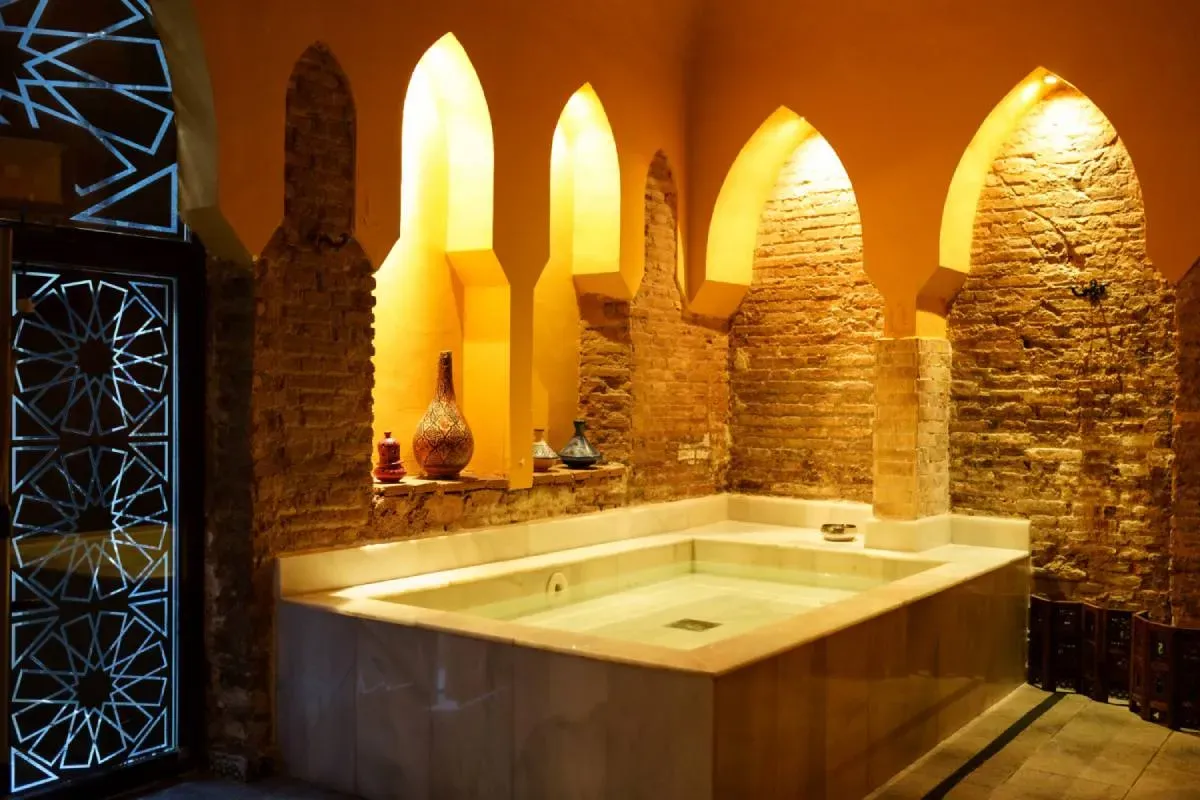
Seasonal Turkish Hammam Experiences offer a rich, textured window into Turkey’s time-honored bath culture. While a Turkish hammam remains a year-round sanctuary of heat, steam, and sociable ritual, the best time to visit Turkish hammam can vary with the season, altering mood and crowd size. This guide reveals how to balance tradition with comfort, including seasonal rituals in Turkish hammams and what to try in a hammam to maximize rejuvenation. You'll also find hammam etiquette tips and insights into Turkish bath traditions by season, so you approach the spa with confidence. Whether you crave quiet reflection or a lively communal soak, these seasonal textures invite you to plan a more meaningful escape.
Viewed through the lens of seasonal spa culture, the Turkish bath tradition reveals a climate-aware tapestry of heat, steam, and ritual. Many describe it as a year-round wellness rite, with winter warmth and summer refreshment guiding product choices, temperature, and pacing. In practice, you might hear terms like Anatolian steam baths, Ottoman-era bathhouse rituals, or thermal spa sequences that echo the same core cleansing and relaxation goals. Approach the experience as a sequence of culturally rooted rituals, adjusted for climate and crowd dynamics, with staff guiding you through a tailored version of the classic kese, foam massage, and aftercare. By embracing these alternate phrasing and related concepts, readers can map the experience to their preferences while preserving authenticity.
Seasonal Turkish Hammam Experiences: How Seasons Shape Your Steam Ritual
Seasonal Turkish Hammam Experiences invite you to notice how temperature, daylight, and crowd energy color the ritual. While the core steps—warm space, steam, kese scrub, foam massage, and rinse—remain constant, the season can influence pacing, scent, and the attendant's emphasis on certain products. When planning a visit, consider cues from the best time to visit Turkish hammam, which often aligns with shoulder seasons when humidity is comfortable and lines are shorter, letting you savor the full sequence without rush.
Seasonal rituals in Turkish hammams adapt to climate and guest needs. In winter, attendants may favor richer oils, deeper massage, and a cocooning atmosphere; in summer, lighter soaps, shorter scrub times, and cooling aftercare balance heat. No matter the month, you’ll still enjoy the communal, soothing cadence that makes a Turkish bath a sanctuary, even as textures and scents shift with the season.
Spring and Autumn Comfort: A Gentle Window for the Hammam Experience
Spring and autumn bring moderate temperatures that complement the hammam's heat and steam. The atmosphere tends to be more relaxed, easy to focus on breathing, posture, and the ritual's rhythm. These shoulder seasons also align with hammam etiquette tips, as attendants guide newcomers without the intensity of peak season.
During these seasons, you can freely explore what to try in a hammam with confidence, sampling kese scrubbing and foaming massages at a comfortable pace. Seasonal rituals in Turkish hammams often feature delicate floral or herbal notes in oils and soaps, enhancing the sensory journey while keeping the experience accessible and unhurried.
Winter Warmth and Renewal: Hydration, Longer Heat, and Rasul Treatments
Winter visits turn the hammam into a warm refuge where heat lingers and dry air outside gives way to moisture-rich heat. Attendants may tailor longer exposure and richer oils to boost hydration, creating a soothing contrast to chilly streets. If you’re studying the best time to visit Turkish hammam for a winter treat, choose a morning or late afternoon slot when the city feels hushed and the steam feels especially inviting.
Beyond the core ritual, winter is a great season to try Rasul or mud mask options that maximize moisture and warmth. These treatments pair with oil massages to leave skin soft and resilient in dry air, and a final rinse seals in hydration. For those new to Turkish bath traditions by season, winter provides a clear example of climate-driven care.
Summer Sanctuary: Cooling Strategies, Lighter Oils, and Shorter Scrubs
Summer sanctuary in many towns means cooling aesthetics—vaulted ceilings, marble, and water features offer relief from scorching sun. To balance the heat, hammams often favor shorter scrub sessions and lighter oils, allowing you to enjoy the ritual without overheating. Booking early morning or late afternoon appointments helps you beat peak crowds and intensity.
Try lighter summer options, such as mint, cucumber, or citrus notes in soaps or oils, and ask for a refreshing splash at the end. These choices reflect seasonal rituals in Turkish hammams that adapt products to climate while preserving the core kese scrub and foam massage. Even in heat, maintain etiquette: pace yourself, stay hydrated, and heed the attendant’s guidance.
Choosing the Right Hammam for Seasonal Experiences: Etiquette, Packages, and Traditions by Season
Choosing the Right Hammam for Seasonal Experiences means selecting a place that fits your goals, whether you seek historic architecture or modern spa amenities. Look for rooms and temperatures that suit your comfort level and consider whether you want a traditional encounter or a contemporary vibe. This is where Turkish bath traditions by season can guide you toward a more meaningful choice.
Practical anchors include etiquette tips and package options. Decide if you prefer single or shared experiences, and whether Rasul, mud masks, or aromatherapy are included as part of seasonal bundles. With preparation—bringing a pestemal, sandals, water, and comfortable expectations—you’ll fit in smoothly and maximize the restorative potential of Seasonal Turkish Hammam Experiences.
Frequently Asked Questions
What is Seasonal Turkish Hammam Experiences and how does it inform the best time to visit Turkish hammam?
Seasonal Turkish Hammam Experiences highlight how the timeless ritual adapts with the seasons, while the core steps—pestemal, warm room, steam, kese scrub, foam massage—remain the same. The best time to visit Turkish hammam depends on your goals: spring and autumn offer comfortable humidity and fewer crowds, winter emphasizes warmth and restorative comfort, and summer provides a cooling sanctuary in many historic facilities. Plan according to crowd levels and your preferred pace, and let the attendants tailor the heat and duration to the season.
How do seasonal rituals in Turkish hammams influence Seasonal Turkish Hammam Experiences?
In Seasonal Turkish Hammam Experiences, seasonal rituals in Turkish hammams tailor heat, humidity, and products to the climate while preserving the ritual core. In colder months you may encounter richer oils and longer heat exposure, while in warmer months lighter oils and shorter scrub times help balance comfort. Some hammams also offer a Rasul or mud mask more commonly in cooler seasons to boost moisture.
What to try in a hammam during Seasonal Turkish Hammam Experiences?
What to try in a hammam during Seasonal Turkish Hammam Experiences centers on the core elements—kese scrub, foam massage, and optional Rasul or mud mask—augmented by seasonal twists. Start with the kese scrub to learn pace and pressure, then enjoy the foam massage; in winter, opt for a Rasul or richer oils, and in summer choose lighter oils and shorter scrub times. The sequence remains familiar: acclimate, scrub, massage, rinse, and hydrate.
What are hammam etiquette tips for Seasonal Turkish Hammam Experiences?
Hammam etiquette tips for Seasonal Turkish Hammam Experiences emphasize respect and comfort year-round. Arrive with a pestemal and flip-flops, dress modestly, let attendants lead the ritual, stay hydrated, and respect privacy. Etiquette generally stays the same across seasons, but you may adapt timing and pacing to the heat or cold—observe others or ask staff if unsure.
How do Turkish bath traditions by season influence Seasonal Turkish Hammam Experiences?
Turkish bath traditions by season influence Seasonal Turkish Hammam Experiences by shaping ambiance, crowd flow, and product choices while the tradition itself stays constant. Seasons affect warmth, humidity, and mood inside the steam rooms, helping you decide which hammam to choose—historic grandeur or modern spa comfort. Pairing your visit with local culture makes the seasonal experience feel authentic and memorable.
| Aspect | Seasonal Insight | Practical Takeaway |
|---|---|---|
| Overview of Seasonal Turkish Hammam Experiences | Seasonality shapes mood, crowding, and product choices; core rituals stay constant across seasons. | Visit seasonally to align with your preferred pace and ambience. |
| Core Structure of a Turkish Hammam | Warm room, steam chamber, kese scrub, foam massage; Rasul or mud mask in some places. Seasonal tweaks focus on temperature, lighting, and product choices. | Expect the same rituals; communicate preferences to staff and allow guidance. |
| Seasonal Rituals by Season | Colder months: hydrating oils, longer heat. Warmer months: lighter oils, shorter scrubs; season influences comfort and accessibility. | Ask for temperature adjustments and suitable products for your season. |
| What to Try (Core Elements) | Kese Scrub, Foam Massage, Rasul or Mud Mask; seasonal twists in products and intensity. | In winter, opt for Rasul with richer oils; in summer, lighter oils and shorter scrubs. |
| Practical Planning: What to Bring & Expect | Typical duration 60–90 minutes; prices vary by city and package. | Bring pestemal, towel, sandals; hydrate; plan time and budget. |
| Etiquette & Comfort | Respect space, follow attendants, observe hygiene and hydration; tips customary. | Dress modestly, communicate needs, and observe others' pace. |
| Cultural Pairing | Pair hammam with local culture and seasonal activities to enhance the experience. | Plan time for nearby attractions and meals after the ritual. |
Summary
Seasonal Turkish Hammam Experiences invite travelers to slow down, breathe, and reconnect with a centuries-old ritual that centers care for the body and calm for the mind. By understanding how the seasons influence comfort, product choices, and pacing, you can tailor each visit to your needs and preferences. Whether you chase the best time to visit Turkish hammam for quieter moments, or you seek a robust winter treat that leaves your skin soft and your spirits lifted, the hammam remains a powerful, accessible retreat. With thoughtful planning, respectful etiquette, and a willingness to engage with the ritual, you can savor the unique textures of the Turkish bath across seasons. The experience becomes not just a spa excursion but a cultural exchange—an opportunity to witness a living tradition, to be guided by skilled attendants, and to emerge refreshed, balanced, and connected to a practice that continues to enchant locals and travelers alike. Aim to explore Seasonal Turkish Hammam Experiences as part of your Turkish journey, and you’ll leave with a memory that lingers long after the steam has cleared and the pestemal is put away.