
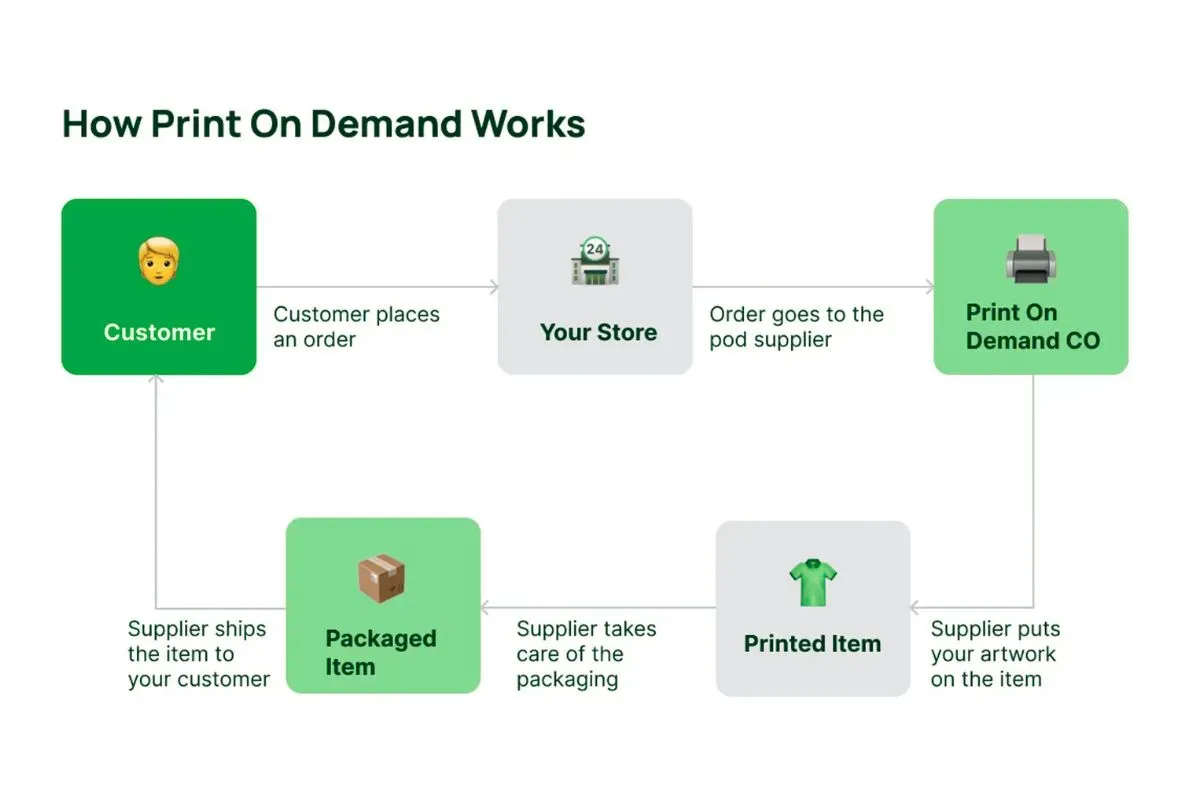
Print on Demand has transformed the way creators bring ideas to market, offering a low-risk entry point to turn designs into sale-ready products. POD platforms for creators provide access to production, fulfillment, and storefront tools without upfront inventory. Whether your focus is illustration, photography, or lettering, this streamlined workflow helps translate art into ready-to-sell items. As a practical print on demand guide, the introduction outlines how to pair strong artwork with optimized listings and discovery strategies. From pricing to quality control and dependable customer support, you can build a scalable line while preserving creative control.
In broader terms, on-demand printing for creators refers to a digital-to-physical merch process where products are made only after an order lands. This approach emphasizes the bridge between concept and fulfillment, a pipeline that supports testing ideas with minimal risk. Content creators, artists, and makers can leverage platform ecosystems to validate concepts, refine artwork, and reach audiences worldwide. Viewed through an LSI-inspired lens, the topic aligns with terms like custom merchandise production, order-driven manufacturing, and scalable distribution.
1. Choosing the Right POD Platform for Your Creator Brand
For creators, selecting the right POD platform fundamentally shapes product variety, print quality, and fulfillment experience. When evaluating POD platforms for creators, assess catalog breadth, print consistency, integration with your storefront, and the ease of managing royalties and pricing. A platform that aligns with your long‑term vision helps you scale without constantly migrating suppliers or workflows.
Look for evidence of reliable production and a supportive creator community. Request test orders or review sample packs to gauge color accuracy, fabric feel, and print placement. Also examine policies on intellectual property protections, particularly if you work with licensed art or branded elements, and verify fulfillment times for both domestic and international orders.
2. Design to Distribution POD: Translating Artwork into Market-Ready Products
Design to distribution POD emphasizes turning screen-ready art into faithful prints across your chosen product mix. Start with clear decisions about product categories (apparel, mugs, posters, totes) and the print methods you’ll rely on (DTG, sublimation, or screen printing). The goal is to create artwork that remains sharp, colour‑accurate, and scalable no matter the item.
Prepare designs with layered files suitable for different placements and products, and include mockups and lifestyle imagery to show scale and context. Use vector art for logos and typography and maintain color management through appropriate profiles. This approach—often described within the design to distribution POD mindset—helps ensure your art translates well across products while staying aligned with your creative vision.
3. Print on Demand Fulfillment: Streamlining Packaging, Shipping, and Returns
Efficient print on demand fulfillment is about building a reliable, scalable flow from order to doorstep. Establish a consistent packaging strategy, choose shipping options that balance cost and speed, and plan for international orders with clear duties and taxes information. A smooth fulfillment process reduces delays and protects your brand reputation as demand grows.
Maintain quality control at key checkpoints, provide accurate order tracking, and communicate proactively with customers (order confirmations, shipping updates, and post‑purchase follow‑ups). A thoughtful returns process and responsive support are essential to sustaining trust and encouraging repeat purchases in a competitive POD landscape.
4. Product Listing Optimization for POD Success: SEO, Images, and Descriptions
Optimized product listings are the engine of discovery in a crowded market. Craft SEO‑friendly titles and bullet points that naturally incorporate relevant terms, while weaving in long‑tail keywords such as “POD platforms for creators” and “print on demand guide.” Use high‑quality images, compelling alt text, and lifestyle visuals to improve accessibility and click‑through rates.
Develop readable, informative descriptions that cover materials, care instructions, sizing, and the design story. Balance descriptive copy with practical details and ensure pricing reflects value after platform fees and printing costs. Effective listings often pair feature highlights with seasonal messaging and cross‑promotions to drive visibility and conversions.
5. Long‑Term Growth: A Print on Demand Guide for Creators and Brand Scaling
A thoughtful print on demand guide for creators focuses on sustainable growth, brand consistency, and data‑driven iteration. Define a cohesive visual language and storytelling approach so customers identify your work across apparel, home goods, and accessories. By treating design like a scalable asset, you can expand your catalog without diluting your brand.
Plan for gradual diversification, build a storefront experience that ties collections together, and cultivate community through user‑generated content and collaborations. Use analytics to test new designs, pricing, and product mixes; let data guide your launches and help you prioritize formats with the strongest margins. This growth mindset aligns with the POD for creators ethos and supports long‑term success in a dynamic digital marketplace.
Frequently Asked Questions
Which POD platforms for creators are best to kick off a new print on demand business?
Choose POD platforms for creators based on catalog breadth, print quality, fulfillment speed, pricing, and storefront options. Request samples to verify color accuracy, print placements, and fabric feel. Ensure the platform supports your planned products and offers easy store integration.
How can a print on demand guide help a designer move from concept to distribution in a design to distribution POD workflow?
Use a step-by-step approach: confirm product categories and print methods, prepare design-ready files (vector when possible, 300 DPI for raster), choose a platform, optimize product listings, and plan marketing. A print on demand guide can map each stage from concept through production to fulfillment and scale your catalog over time.
What should a POD for creators consider when choosing print methods and production partners?
Evaluate print method compatibility (DTG, sublimation, screen printing), color fidelity, and material constraints. Consider production lead times, minimums, and per-unit costs, plus platform policies and licensing terms. Ensure partners offer reliable fulfillment and responsive support.
How can I optimize product listings for discovery in a print on demand fulfillment workflow?
Craft SEO-friendly titles and descriptions with focus keywords and related terms, use high-quality images with alt text, and provide clear sizing and care details. Align listings with fulfillment capabilities to avoid overselling, and test pricing and promotions to improve conversion.
What steps can creators take to protect IP and manage licensing across POD platforms for creators?
Register trademarks for distinctive designs where possible, secure licenses for third-party assets, and review each platform IP policies. Keep a centralized asset library, document rights, and use clear usage terms to reduce risk across POD platforms for creators.
| Topic | Key Points |
|---|---|
| Introduction / What is POD? | POD lets creators bring ideas to market with no traditional inventory risk; guides the journey from concept to distribution; enables monetization of art with control and scalability across platforms, designs, and global distribution. |
| Why POD is Powerful | Low barrier to entry; test ideas quickly; launch multiple products with minimal upfront investment; iterate based on real-world feedback to refine products and strategies. |
| Design Thinking for POD | Understand audience and product fit; balance artistic vision with constraints (color fidelity, print area, material quality); design for screen-to-print translation and store-search alignment. |
| Design & Artwork Preparation | Define product categories and print methods; follow file requirements and color management; use vector art where possible; ensure high DPI and clean lines; prepare layered variants and mockups. |
| Choosing POD Platforms & Methods | Evaluate catalogs, print quality, production times, pricing, store integration, and IP protections; understand DTG, sublimation, and screen printing; align method with product mix and margins. |
| From Design to Distribution | Create SEO-friendly product pages, optimized images and alt text, clear descriptions and care instructions; set pricing; align marketing; ensure efficient fulfillment, returns handling, and international shipping. |
| Brand Consistency & Growth | Develop a recognizable style and color palette; build stories around collections; diversify gradually; encourage user-generated content; optimize pages with long-tail keywords for SEO. |
| Operational Best Practices | Use data to guide iterations; run small tests; monitor conversions, AOV, returns, and feedback; identify profitable formats and audiences for targeted launches. |
| Case Studies & Real-World Scenarios | Example: start with typography tees, test colorways, optimize descriptions, use data to refine, and scale with limited editions to build a loyal customer base. |
| Long-Term Best Practices | Protect your brand with trademarks where feasible; maintain a content calendar; invest in learning and communities; unify storefronts; define clear returns policies. |
Summary
Conclusion: Print on Demand is a powerful framework for creators to transform ideas into tangible products without excessive risk. By focusing on design that translates well to print, selecting the right POD platforms, and executing thoughtful listings and marketing, you can navigate the journey from concept to fulfillment with confidence. The from design to distribution workflow—emphasizing quality, consistency, and customer experience—helps you build a scalable catalog that resonates with audiences and grows over time. With patience, data, and a commitment to ongoing improvement, your creative business can thrive in today’s digital marketplace through Print on Demand.