
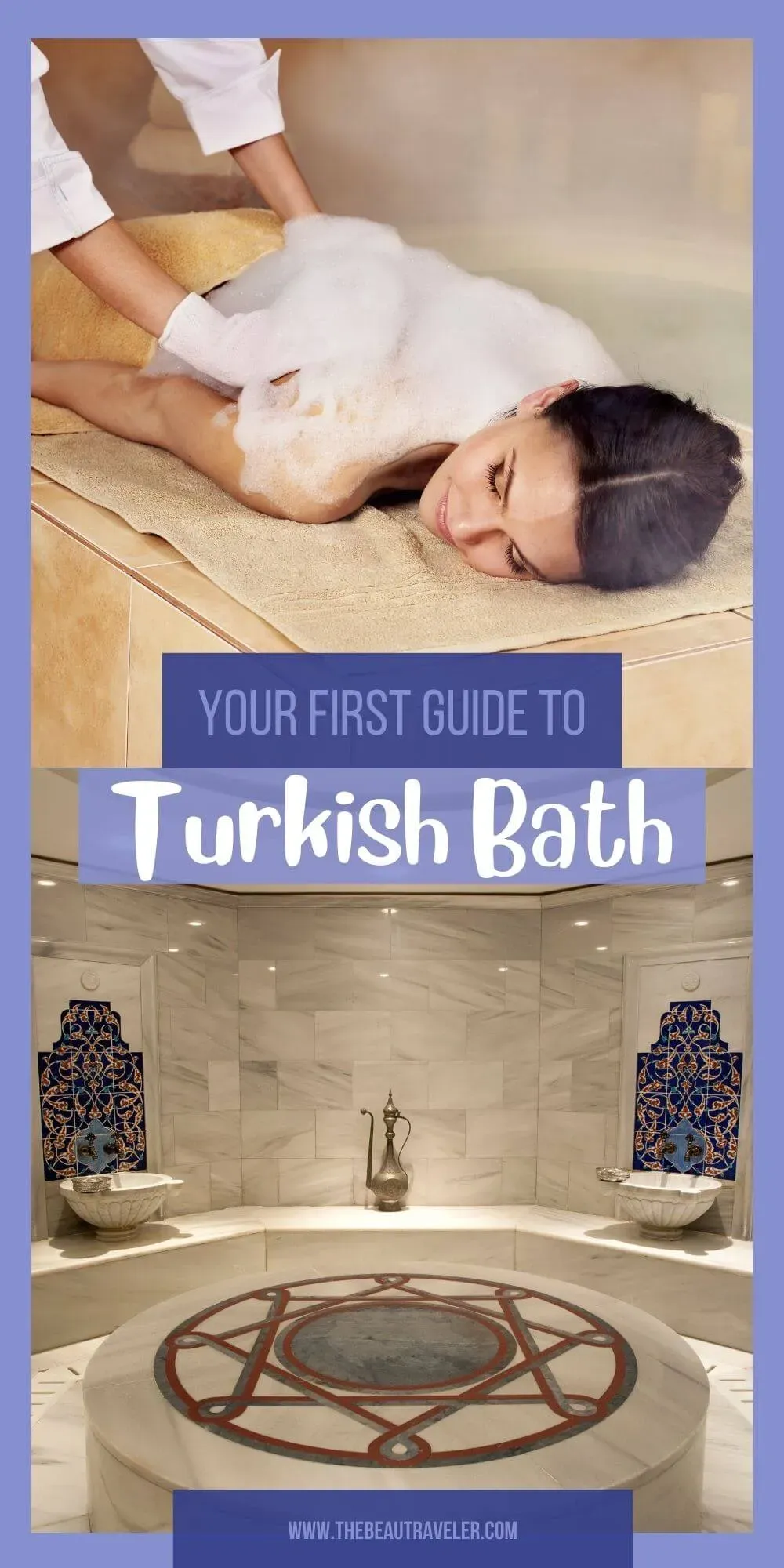
Planning your first Turkish hammam visit is an exciting step into a centuries-old ritual of warmth, cleansing, and hospitality. With the right preparation, a respectful mindset, and clear expectations, the experience becomes smoother and more enjoyable. Understanding Turkish hammam etiquette, what to wear in a hammam, and what to bring to a Turkish bath sets the tone for first-time hammam tips that help you navigate heat, steam, and service with ease. From the sequence of rooms to the role of the lifter, you’ll feel more confident about the Turkish bath experience. Keep your expectations modest and your curiosity open, and you’ll discover a calming ritual that blends cultural hospitality with cleansing refreshment.
Alternatively, you can frame this journey as a traditional hamam experience, a steam-warmed ritual that blends marble, quiet companionship, and mindful cleansing. Think of it as a Turkish bath ceremony rather than a single spa visit, where etiquette and hospitality shape the pace and mood. To align with LSI principles, weave in related terms such as hammam culture, steam bath ritual, and bathhouse tradition while keeping practical learnings intact. Knowing what to wear in a hammam, what to bring to a Turkish bath, and how a first-time visit typically unfolds helps you begin with confidence. By connecting concepts like Turkish bath experience, hammam etiquette, and the overall ritual, you paint a coherent picture of this cherished cultural practice.
Planning your first Turkish hammam visit: essential etiquette and prep
Planning your first Turkish hammam visit starts with a respectful mindset and a bit of practical planning. Understanding Turkish hammam etiquette helps you move through each room with ease, especially when entering shared spaces, interacting with attendants, and observing modesty in a traditional setting. By knowing what is expected, you’ll feel more comfortable and able to focus on the sensory experience rather than the nerves of the unknown.
The typical hammam flow—warm welcome, steamy rooms, cleansing rituals, a cool rinse, and a quiet rest—becomes less intimidating once you anticipate the sequence. This understanding, coupled with a calm, patient approach, sets the stage for a genuinely restorative Turkish bath experience. Entering with curiosity and a respectful demeanor makes the ritual feel inviting rather than overwhelming.
What to wear in a hammam: modesty, comfort, and practicality
What you wear in a hammam is less about fashion and more about hygiene, modesty, and comfort. A pestemal towel, lightweight wrap, or a modest swimsuit under a cover is a common choice, especially for first-time visitors. The pestemal is breathable and dries quickly, making it a versatile option that aligns with traditional practice while accommodating personal comfort.
If you opt for robes or wraps provided by the facility, remember that breathability and ease of movement are important in hot spaces. Remove metal jewelry and watches to avoid heat-related discomfort, and consider lightweight footwear for moving between rooms. When you’re unsure, ask staff about the dress code nuances to ensure you’re appropriately dressed for that hammam’s rules.
What to bring to a Turkish bath: packing tips for first-timers
What to bring to a Turkish bath includes towels, a washcloth, and personal care items that help you feel fresh after cleansing rituals. A spare towel is handy for extra drying between sections, and a small washbag with mild soap, gentle body wash, and a light shampoo can make the experience more comfortable if you prefer your own products.
Flip-flops or non-slip sandals are essential for safe movement on wet floors, as are a change of clothes for after the steam. Some baths provide basic supplies, but bringing your own ensures consistency and comfort. Hydration is crucial in hot, humid spaces, so carry a water bottle to sip between sessions and keep a small plastic bag for damp items.
First-time hammam tips: easing into the Turkish bath experience
First-time hammam tips focus on preparation, pacing, and listening to your body. Do some quick homework on the specific hammam you’ll visit, as services, rituals, and dress codes can vary. Start with shorter exposure to the heat and gradually extend your time in the steam as you feel more at ease.
Go with intention rather than rushing through the ritual. Decide in advance which services you want—whether a traditional scrub, soap lather, or massage—and communicate your preferences to the lifter or attendant. Hydrate well, avoid heavy meals before visiting, and allow yourself time to rest and rehydrate after the session.
The Turkish bath experience: a sensory journey from entry to exit
The Turkish bath experience is a multisensory journey—warm marble surfaces, soft lighting, and the hush of respectful conversations set the tone. The steam heightens the sense of touch and often involves a gentle cleansing ritual that invites a pause from a busy day. Regions differ, but the core aim remains purification, relaxation, and social connection in a serene environment.
Regional variations offer a tapestry of experiences—from grand ceremonial atmospheres in historic Istanbul baths to intimate, community-focused settings in smaller towns. Regardless of the setting, expect a flow that balances service with reverence, leaving you refreshed, centered, and perhaps more mindful of your own tempo as you step back into the world.
Frequently Asked Questions
Planning your first Turkish hammam visit: what is Turkish hammam etiquette to follow?
Turkish hammam etiquette centers on modesty, courtesy, and shared spaces. In practice, keep voices low, respect others' privacy, and follow the attendant's guidance. Photography is usually restricted, and tipping is common for services like massage or washing. For planning your first Turkish hammam visit, align your expectations with these respectful norms and stay hydrated throughout.
Planning your first Turkish hammam visit: what to wear in a hammam?
Planning your first Turkish hammam visit includes knowing what to wear in a hammam. A pestemal towel is a popular, breathable option; many guests also wear a lightweight swimsuit or wrap underneath. Remove jewelry and watches, wear sandals in dressing areas, and ask staff about any dress-code nuances at that hammam.
Planning your first Turkish hammam visit: what to bring to a Turkish bath?
Planning your first Turkish hammam visit? Here's what to bring to a Turkish bath: Towels or wraps (a spare towel helps between stages), basic toiletries (mild soap, body wash, small shampoo), a non-slip pair of flip-flops, a water bottle, and a change of clothes for after the session. Some baths provide essentials, so check ahead.
Planning your first Turkish hammam visit: first-time hammam tips
First-time hammam tips: For planning your first Turkish hammam visit, do some prep, go at your own pace, and know the core ritual (heating, washing, rinsing). Start with shorter steam exposure if you're new to heat, stay hydrated, and be mindful of others' space and the staff's guidance.
Planning your first Turkish hammam visit: what to expect from the Turkish bath experience?
Experience of a Turkish bath: The Turkish bath experience typically unfolds as a sequence—warm room, cleansing ritual, scrub, rinse, then a cool-down and rest. Regional variations exist, from ceremonial, formal atmospheres in historic baths to more intimate setups in smaller towns. Expect a sense of purification, relaxation, and quiet social exchange with attendants and fellow guests.
| Key Point | Summary |
|---|---|
| What is a Turkish hammam? | A centuries-old steam bath rooted in Ottoman culture, focusing on purification, relaxation, and social connection via a progression of heated rooms and rituals. |
| Experience flow | Heat-building rooms, cleansing rituals, cool rinse, and rest; varies by region and facility but maintains a ceremonial atmosphere. |
| What to wear | Modesty and comfort: pestemal towel (with or without swimsuit); remove jewelry; wraps or robes may be provided; shoes removed. |
| What to bring | Towels, personal care items, flip-flops, water bottle, change of clothes, small plastic bag for damp items. |
| Etiquette tips | Respect privacy, keep noise low, tip attendants for services, follow photography rules, stay hydrated. |
| First-time tips | Do homework on the specific hammam; pace yourself; know available services; start with lighter exposure; hydrate. |
| Regional variations | Istanbul’s grand baths can be ceremonial; smaller towns may be more intimate; core rituals remain the same. |
| Transition out | Rest and rehydrate in a cooler area; enjoy a lounge or tea; reflect on the experience. |
Summary
Planning your first Turkish hammam visit sets the stage for a mindful, culturally rich experience that blends heat, cleansing, and hospitality. This guide highlights what to wear, what to bring, and how to observe etiquette to help you feel comfortable and respectful as you move through the hammam's ritual arc. Expect a sensory journey—steam, soap, warmth, and cleansing rituals—while you explore regional variations and the social warmth that defines Turkish baths. With advance planning and practical tips, your first hammam visit can become a memorable, restorative moment in travel.