
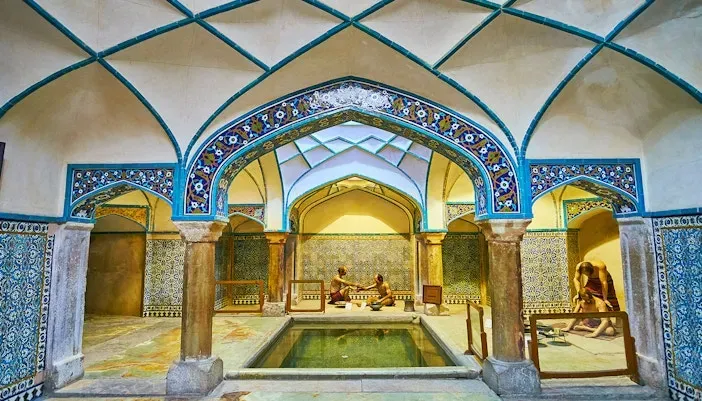
The History of Turkish bath culture is a fascinating journey through time, weaving together ritual purity, social life, and exquisite architectural design. From ancient cleansing rites to communal gatherings, the tradition nurtured hospitality and reflection, a lineage that informs hamam culture today. Across centuries, architecture and spaces evolved, shaping sanctuaries where heat, water, and modesty met ritual calm. In the modern era, baths continue to attract visitors with balanced ritual and contemporary comfort. These evolving spaces continue to influence wellness, travel, and the way societies balance tradition with modern life.
History of Turkish bath culture: Origins, Rituals, and Continuity
The History of Turkish bath culture stretches back beyond the term hamam, weaving together cleansing practices in the ancient eastern Mediterranean and Anatolia. Public spaces dedicated to water, steam, and social gathering functioned as hubs for hygiene, ritual purification, and community life. Across centuries, these practices laid the groundwork for a distinctive cultural identity that later crystallized into Ottoman bath traditions and the renowned hamam experience.
As civilizations mingled, the idea of a structured bath ritual emerged, blending spiritual cleanliness with social exchange. Ancient bath compounds set precedents for later Turkish bath design, and their legacy still echoes in modern Turkish hamams through ritual sequencing, quiet spa-like atmospheres, and the sense of community that accompanies steam, water, and conversation.
Ottoman bath traditions and the hamam as social hub
During the Ottoman era, the hamam became a refined institution with a clear spatial logic: antechamber, warm room, hot room, and ablutions areas. This arrangement supported a standardized spa ritual that elevated bathing into an art form and a social ritual, reinforcing hamam culture across cities from Istanbul to Bursa.
Communities gathered in these spaces not only to cleanse but to negotiate business, counsel local politics, and celebrate milestones. The longevity of Ottoman bath traditions lies in their ability to adapt to different locales while maintaining a consistent etiquette, making the hamam a civic as well as personal sanctuary.
Turkish bath design: Architecture, spaces, and sensory craft
Turkish bath design emerged as a synthesis of climate, acoustics, and aesthetics. Marble surfaces, domed ceilings, and smooth stone slabs create a thermal cascade that guides bathers through a controlled sequence. The architecture is not merely decorative; it serves to manage humidity, heat, and privacy, enabling the well-known ritual of heating, cleansing, and exfoliation.
Beyond form, the design supports sensory experiences: soft lighting, the aroma of olive oil, water features, and warm stones that retain heat while remaining comfortable to the touch. Traditional layouts typically include a cool entrance, a warm room (ılıklık), and a hot room (hararet), with heating systems sustaining the necessary temperatures for a balanced, dignified experience.
Rituals, attendants, and the health ethos in the hamam
Rituals define the experience: cleansing rites, foam massage with kese, and the thorough cleansing of the body that prepare skin for renewal. The roles of tellaks and natırs underpin the care and privacy that honor hamam culture, with skilled attendants guiding guests through spaces and performing exfoliation and massage.
Steam and water act as key elements in a rhythm that blends physical cleansing with social cleansing. The ritual pace mirrors the body’s needs for detoxification and relaxation, while conversations and shared moments inside the bathhouse reinforce community bonds and hospitality that have long defined Turkish bath culture.
Modern Turkish hamams: Continuity, adaptation, and global influence
Modern Turkish hamams adapt heritage to contemporary wellness trends, offering authentic rituals alongside spa-like services. In many urban centers, historic hammams coexist with new facilities that emphasize comfort, accessibility, and sustainable design while preserving the ceremonial sequence that defines the bathing experience.
The global influence of Turkish bath culture extends as the Turkish bath design informs spa architecture worldwide, inspiring steam rooms, hydrotherapy, and hospitality standards. The ongoing evolution of modern Turkish hamams preserves a thread of tradition, inviting new generations to experience a centuries-old practice in a 21st-century wellness context.
Frequently Asked Questions
What is the significance of the history of Turkish baths in shaping public life in Ottoman cities?
The history of Turkish baths reveals how bathhouses acted as social, civic, and cultural hubs in Ottoman cities. They blended cleansing rituals with spaces for conversation, business, and hospitality, organized around a ritual sequence and etiquette. Architecture, heat management, and communal bathing reinforced social bonds and daily life beyond hygiene.
How did Ottoman bath traditions influence hamam culture and pave the way for modern Turkish hamams?
Ottoman bath traditions introduced a standardized space sequence (cool, warm, hot), a spa-like atmosphere, and a culture of privacy and ceremony. This hamam culture carried into contemporary spaces, where visitors experience kese exfoliation, foam massages, and ritual cleansing alongside modern spa services.
What are the core elements of Turkish bath design that link historic hammams to today’s spa spaces?
Core Turkish bath design includes a cold antechamber, a warm room (ılıklık), and a hot room (hararet), plus marble, domed ceilings, water features, and controlled humidity. These elements support heat progression, privacy, and ritual focus, preserving architectural memory while enabling modern comfort.
What roles do tellaks and natırs play in preserving the rituals of hamam culture within the history of Turkish bath culture?
Tellaks and natırs are the custodians of technique and etiquette, guiding guests, performing kese exfoliation, and conducting foam massages. Their skill reinforces hospitality and the social dimension of hamam culture, even as contemporary spaces adapt to new contexts.
How has the global diffusion of Turkish bath culture influenced modern Turkish hamams and other wellness spaces, while preserving Turkish bath design heritage?
Around the world, hammam-inspired design and steam rituals have shaped spa architecture and wellness practices. In Turkey, modern Turkish hamams blend traditional sequences with spa amenities, balancing accessibility, sustainability, and heritage. The result is a global conversation about cleanliness, hospitality, and cultural memory.
| Aspect | Key Points | Notes |
|---|---|---|
| Antiquity of Bathing Traditions | Commutal cleansing as a social and spiritual act; linked to ancient Near Eastern and Roman worlds; water and steam rituals in sanctuaries; bathing as preparation for daily life and gatherings. | Water/steam rituals were central to community life and ritual purification long before the hamam term existed. |
| Ottoman Era and the Emergence of the Hamam | Refined architecture, standardized spaces, and distinctive bathing etiquette; progression from cool antechamber to warm and hot rooms; olive oil soaps, foam massage (soap suds or kese rubdown); tellak or natır attendants; communal, social hubs. | The hamam is not just a bath but a ceremonial space that fostered hospitality and social interaction. |
| Architectural Beauty and Design | Classic hamams feature marble, domes, and carved stone; three primary spaces: cold antechamber, warm room (ılıklık), hot room (hararet); heating and humidity control through advanced systems. | Design serves function: heat management, privacy, and durability for daily use. |
| Rituals that Define the Experience | Undressing and cleansing, gradual warming, foam massage with kese exfoliation, steam, and relaxation; social cleansing through shared spaces. | Ritual rhythm mirrors the body’s needs for detoxification and relaxation. |
| Tellaks and Attendants | Custodians of rituals: exfoliation and massage, ensuring comfort and privacy; hospitality and careful service; roles adapted in modern contexts. | Attendant skill is central to the authentic hamam experience. |
| Modern Hamams: Continuity and Adaptation | Modernization blends traditional ritual bathing with spa-like services; revival in urban centers; maintenance of core sequence and communal spirit. | Contemporary spaces balance heritage with accessibility and comfort. |
| Global Influence and Cultural Exchange | Hammam term widely adopted; similar cleansing rituals exist globally; architectural and cultural diffusion influences wellness architecture and hospitality standards. | Shows universal appeal of cleansing, heat, and social gathering in spa culture. |
| Preservation, Education, and the Future | Documentation and maintenance of historic bathhouses; education through art, architecture, and anthropology; sustainable design, accessibility, and inclusivity. | Heritage practice evolving with modern ethics and technology. |
Summary
History of Turkish bath culture provides a window into a living tradition that braids cleansing rituals, architectural grandeur, and social hospitality into daily life for centuries. From ancient cleansing practices to the celebrated hamam experience, the narrative shows how communities valued collective well-being, sensory ambience, and mindful relaxation. The hamam’s three-part layout, the essential roles of tellaks and natırs, and the enduring appeal of steam, heat, and marble contribute to a cultural heritage that has endured through empires, modernization, and global wellness trends. Modern Turkish bath culture blends heritage with contemporary spa comforts while preserving the core idea that cleansing, heat, and human touch can nourish body and spirit. Today, hamams continue to invite visitors to engage with history, art, and hospitality in spaces that honor centuries of tradition.