
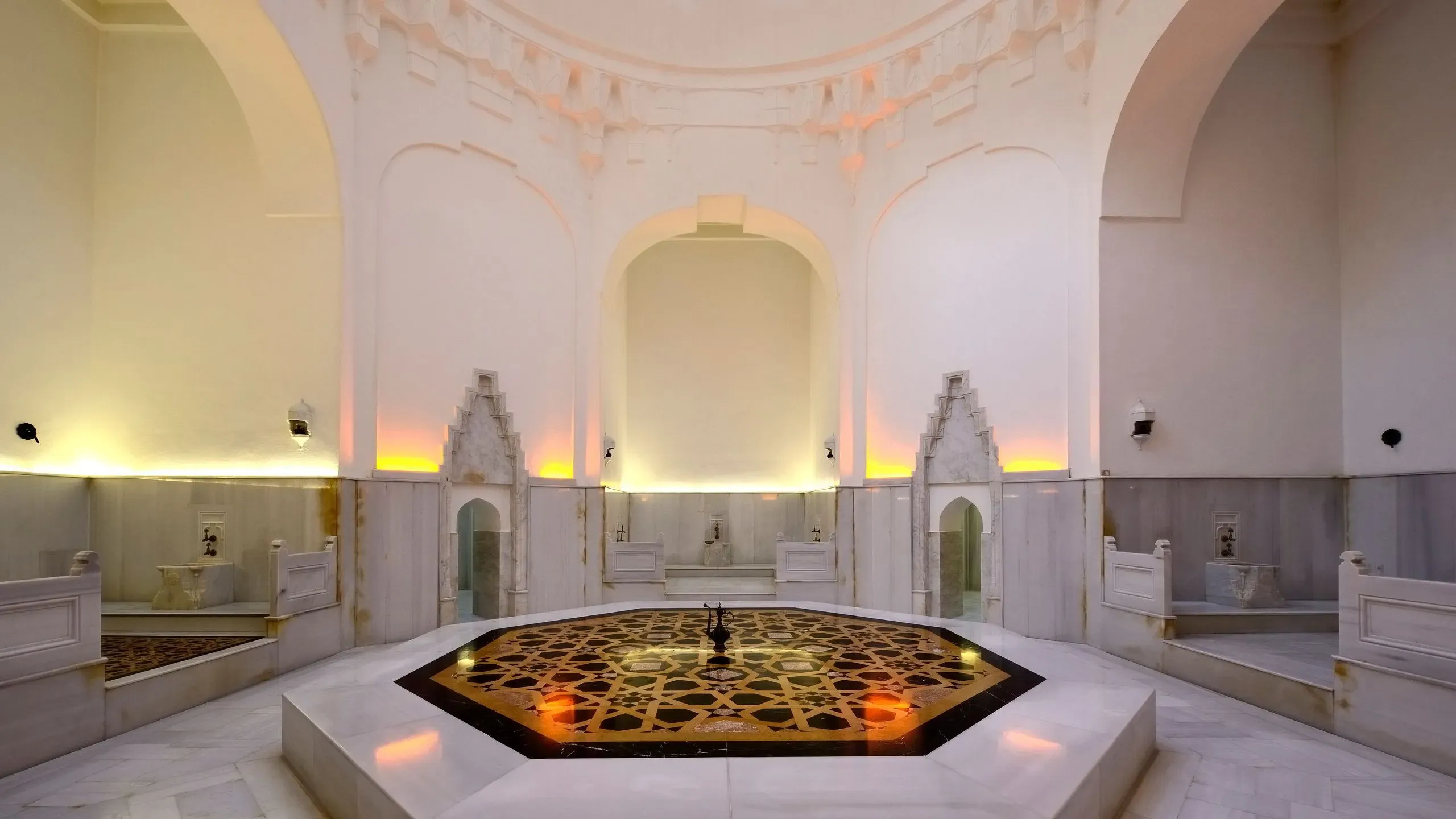
Historic Turkish Hammams are more than baths; they are living museums of architecture, culture, and daily life that span centuries, where carved niches, warm stone, and quiet ceremonial rhythms encode stories of guilds, hospitality, and shared ordinary moments, with their custodians—craftsmen, calligraphers, and innkeepers—preserving practices, materials, and stories through generations, linking public life with private ritual in a language of stone, tile, and quiet grace; these echoing halls continue to host modern rituals of relaxation, study, and cultural exchange, bridging centuries with contemporary tours, photography, and quiet reflection. From grand marble slabs to domed skylights and starry apertures, Turkish bath architecture reveals how light, heat, and geometry work in harmony to create spaces that feel timeless yet welcoming, a vocabulary that designers still study today, with scholars translating its forms for classrooms and designers borrowing its proportions to inform sustainable, human-centered spaces. Rooted in a tradition that intertwines ritual cleansing with social exchange, Ottoman hammam culture shows how public steam rooms became centers of hospitality, status, and communal conversation across generations, shaping urban life as much as personal well-being. The hammam atmosphere—soft echoes, the whisper of water, and the glow of lanterns reflected in polished tile—renders bathing into a contemplative social ritual rather than a mere cleansing, inviting visitors to linger and observe, to listen for stories spun in steam. Across centuries and regions, historic hammams in Turkey stand as architectural and cultural touchstones, offering a window into design, craft, and communal life that continues to inspire designers, historians, and travelers alike, ensuring that the legacy endures in both public spaces and private memories.
Within the frame of semantic search, these historic spaces can be described as Ottoman public baths, steam houses, or spa halls that served as neighborhood social centers and civic stages. The architectural vocabulary, vaulted domes, radiant floors, and intricate tilework, tells the same story in visual terms that travelers and students can recognize. In modern terms, scholars refer to the broader heritage of Anatolian bath culture, imperial bathhouses, and ritual cleansing practices to convey the depth of the tradition without relying solely on one label.
Historic Turkish Hammams: An Architectural Odyssey
Historic Turkish Hammams reveal an architectural odyssey that guides visitors through a sequence of spaces: private changing rooms, tepidarium, hot hararet, and a cooling plunge. These spaces trace a lineage from Roman bath houses and Byzantine public baths, but the Ottomans refined the plan into a coherent system that balances practicality with ritual beauty, a cornerstone of Turkish bath architecture.
Domed ceilings, star shaped openings, and marble walls sculpt light and acoustics, while Iznik tiles in cobalt and turquoise punctuate arches and niches. The soft glow from lamps and reflected water creates the hammam atmosphere that is instantly recognizable in historic hammams in Turkey.
Beyond aesthetics, underlying heating technology—hypocaust like channels and raised gi slabs—tells a story of climate control and engineering that enabled year round bathing and social gatherings in these celebrated spaces.
Domes, Marble, and Geometry: Recreating the Classic Turkish Bath Architecture
Domed ceilings are a signature of Turkish bath architecture, modulating acoustics and daylight to create a sense of ceremony even before heat rises in the hararet.
White marble floors and walls, interlaced with Iznik tile mosaics and geometric motifs, provide moisture resistance, reflect light, and communicate status within Ottoman hammam culture.
Hammam Atmosphere: Light, Steam, and Social Silence
The hammam atmosphere emerges from a careful balance of humidity, heat, and soft lighting; domes scatter light and steam lingers as a veil across marble surfaces.
Sound travels in the cool corridors, footsteps and whispers mingling with the hiss of water, creating a public private mood that invites conversation, etiquette, and shared solitude in equal measure.
Ottoman Hammam Culture and Rituals: Etiquette, Bathing, and Public Life
Ottoman hammam culture placed bathing at the heart of daily life, turning spaces into social hubs where neighbors met and patrons funded charitable works.
Rituals such as kese exfoliation, soap washing, and oil massages are central to Turkish hammam rituals, forming a tactile language of care, hospitality, and ceremony.
Preservation and Modern Use: Keeping Historic Hammams Alive in Turkey
Today, historic hammams face aging infrastructure and evolving urban habits, but preservation and restoration efforts safeguard domes, arches, and heating systems while repurposing spaces as boutique hotels, museums, or cultural centers.
Guided tours and curated experiences connect visitors with the architecture, the bathing sequence, and Ottoman heritage, showing how Turkish bath architecture can coexist with modern tourism while honoring historic hammams in Turkey.
Frequently Asked Questions
What defines Historic Turkish Hammams in terms of Turkish bath architecture and Ottoman hammam culture?
Historic Turkish Hammams blend architecture and ritual. The layout moves visitors from a private changing area to a tepidarium, hot hararet, and a cool soğukluk, under domed ceilings with white marble and İznik tiles, all heated by concealed systems. This design, rooted in Roman and Byzantine traditions and refined by Ottoman builders, supports social bathing and daily life—a hallmark of Turkish bath architecture and Ottoman hammam culture.
How does the hammam atmosphere in Historic Turkish Hammams come to life?
In Historic Turkish Hammams, the hammam atmosphere is created through heat, humidity, light, and sound. Steam softens surfaces, domed ceilings shape acoustics, and lanterns cast a warm glow on marble and tile, while the social rhythms of etiquette and conversation give the space a contemplative, communal mood.
Which historic hammams in Turkey exemplify Ottoman-era bath design?
Among historic hammams in Turkey, Çemberlitaş Hamamı in Istanbul and Süleymaniye Hamamı are canonical examples of Ottoman-era bath design, illustrating monumental architecture, tilework, and public ritual. Lesser-known but instructive spaces include other notable baths that demonstrate variations within the same design language.
What are the common Turkish hammam rituals in Historic Turkish Hammams, and how should visitors participate?
Turkish hammam rituals in Historic Turkish Hammams typically follow a sequence: changing clothes in private or communal areas, cleansing in a warm room, exfoliation with kese, soap washing, a massage, and a final rinse. Attendants or self-service options vary; visitors should be respectful, modest, and mindful of space, timing, and gender arrangements.
How are Historic Turkish Hammams preserved and used today, and what should travelers expect when visiting historic hammams in Turkey?
Today, Historic Turkish Hammams are preserved through restoration of heating, layouts, and tiles, often operating as spa hotels, museums, or cultural centers. Travelers can expect guided tours, explanations of architecture and artwork, and a range of services—from self-bathing to traditional kese scrubs and massages—while staying mindful of etiquette and safety.
| Aspect | Key Points | Representative Details |
|---|---|---|
| Architecture. | Layout progression and spatial sequence (changing rooms → tepidarium → hararet → soğukluk); purpose to warm the body and encourage social bathing. | From cool changing area to hot room; flow raises temperature gently and facilitates social interaction. |
| Domed ceilings & lighting. | Domes shape acoustics and lighting; star-shaped openings for daylight or lantern glow. | Marble and tile interiors with İznik tiles; light creates a luminous atmosphere. |
| Materials & Ornament. | Walls/floors clad in white marble; İznik and colored tiles with geometric/floral patterns. | Tile program signals status and care; artistry informs overall design language. |
| Heating & Climate Control. | Central heating beneath slabs; hypocaust-like channels heat spaces for year-round use. | Belly stone (gi) used for cleansing; provisions for even heat distribution. |
| Cultural Context. | Iznik tiles, status through tile programs; architecture as dialogue between function and aesthetics. | Design language influencing modern spa design and restoration practices. |
| Notable Exemplars. | Çemberlitaş Hamamı (Istanbul) rebuilt by Mimar Sinan; Süleymaniye Hamamı; imperial patronage shaping public monument. | Historic hammams as civic and urban identity landmarks. |
| Atmosphere. | Steam, humidity, light, sound; intimate yet public social mood; etiquette governs movement and dress. | Senses: aroma of stone, soap, oils; domed acoustics amplify conversations. |
| Preservation & Modern Use. | Restoration aims to preserve authentic heating, layouts, lighting; adaptions for modern plumbing and safety. | Some hammams function as museums, boutique hotels, or cultural centers. |
| Travel & Experience. | Guided experiences enhance understanding of geometry, artwork, and bathing sequence. | Respectful behavior, appropriate attire; allocate time to study tile patterns and lighting. |
| Design & Cultural Lessons. | Architecture teaches how to craft space that balances function with emotion; rituals anchor daily life. | Communal spaces reveal social fabric and hospitality values of Ottoman culture. |
Summary
Historic Turkish Hammams offer more than baths; they are living monuments of architecture, culture, and daily life. They demonstrate how spaces can balance utility with ritual, inviting reflection on social life, design, and heritage. In visiting historic Turkish hammams, travelers encounter a tangible link to centuries of craft and communal ritual that continue to inform modern spa culture and cultural tourism.