
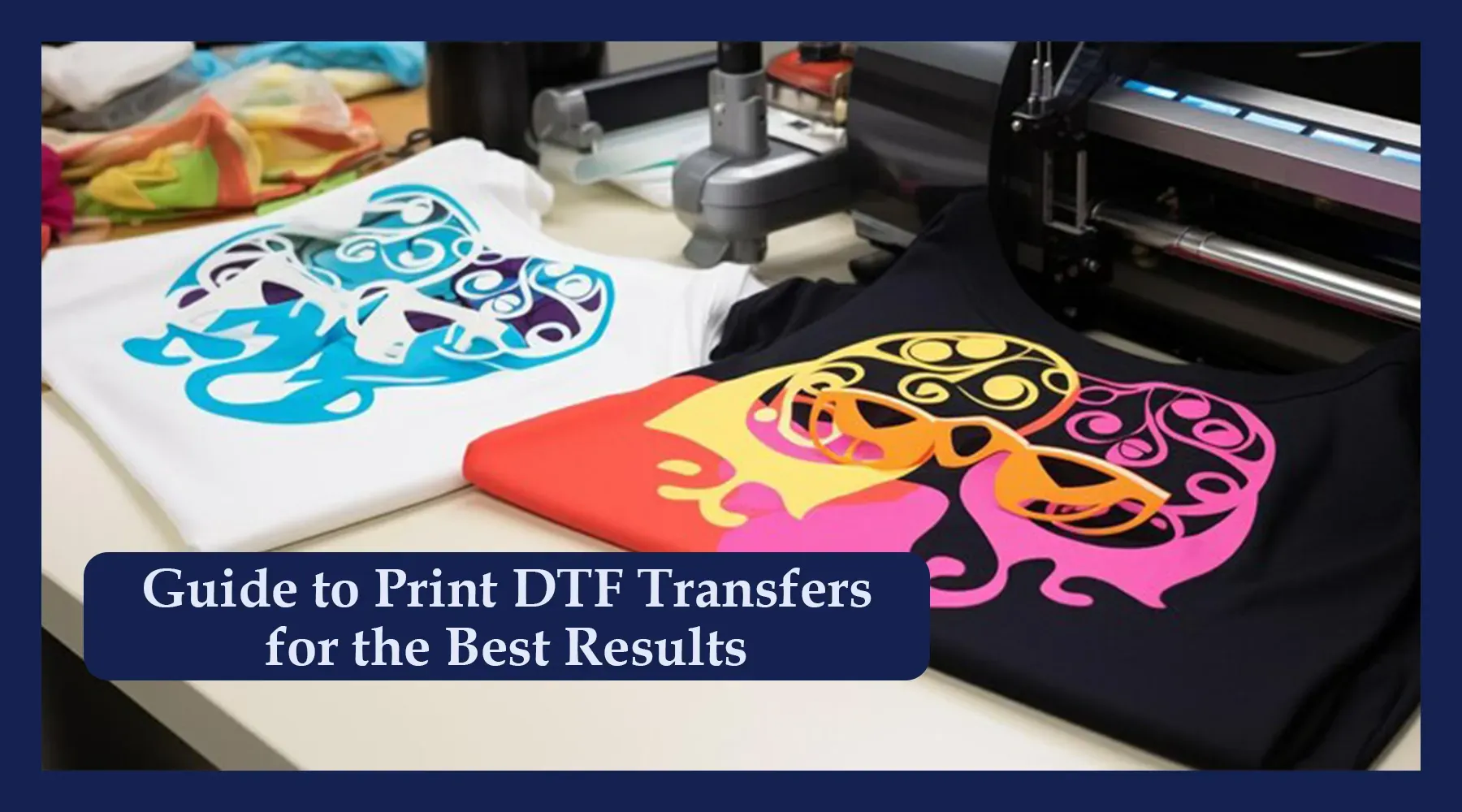
DTF transfers have transformed how designers and brands decorate garments. In 2024, the emphasis has shifted from just vibrant images to durability, a soft hand feel, and consistent results across fabrics. The foundation starts with choosing the right DTF transfer materials to ensure color fidelity and wash durability. Selecting the right DTF film types and high-quality DTF inks further stabilizes the printing workflow and final look. A repeatable DTF printing workflow minimizes troubleshooting and maximizes production uptime for apparel printing with DTF.
Beyond the explicit term DTF transfers, the topic can also be framed as digital garment transfers, film-based fabric decoration, or color-on-textile applications. In this broader view, managers consider transfer films, adhesive powders, and pigment inks as a cohesive system that enables durable, soft finishes across diverse textiles. Applied within a well-defined printing workflow, this approach anchors your production to repeatable results, stronger color, and reliable wash performance.
DTF transfers: Material foundations for durable apparel decoration
DTF transfers rely on a complete set of DTF transfer materials, including the PET transfer film, adhesive powder, white ink, and color inks. The compatibility of these materials with your printer and RIP software sets the baseline for color fidelity, opacity, ease of use, and wash durability. When you invest in quality DTF transfer materials, you optimize how well the image prints, adheres, and survives repeated washes, with film texture and powder chemistry playing key roles.
Choosing materials that work well together minimizes troubleshooting and keeps production running smoothly. A well-matched system supports consistent color accuracy, reliable adhesion, and durable results across fabrics such as 100% cotton, poly blends, and performance fabrics. This material-driven approach underpins repeatable apparel decoration that designers and brands can rely on, reducing variability across orders.
DTF film types and their impact on transfer quality
DTF film types are a critical determinant of transfer clarity, color retention, and powder adhesion. Consider film thickness (roughly 3 to 8 mil), surface texture (glossy, matte, tinted), and how the film interacts with adhesive powder. Thinner films yield crisper lines and faster drying but may be less forgiving, while thicker films provide opacity and durability but may require adjustments to heat and pressure.
Choosing the right DTF film types should align with your artwork, fabrics, and pressing conditions. For bold logos on dark fabrics, a slightly thicker film with a compatible powder can deliver crisper borders, while gradients and subtle designs may benefit from thinner films. Film choice also interacts with the heat-press profile, so you may need adjustments in dwell time or temperature to achieve complete bonding without scorching. This selection is a core part of optimizing the DTF printing workflow for consistent apparel printing with DTF.
Inks and color management for reliable DTF transfers
Inks drive color fidelity and wash durability. White ink opacity is critical for fabrics that aren’t bright white, and a high-opacity base helps ensure vibrant, uniform colors after washing. A broad color gamut and stable batch-to-batch repeatability are essential, with ICC profiles and RIP settings guiding color consistency across runs. Ink chemistry—typically water-based for DTF transfers—must balance flexibility with long-term durability.
Practical color management tests, including skin tones, primary colors, and gradients on the fabrics you serve, help calibrate RIP presets and white-ink layering for consistent results across orders. Working with suppliers who provide color management tools, swatches, and proofs validates how inks behave on different fabrics and film types. This aligns with the DTF printing workflow and supports reliable apparel printing with DTF at scale.
The 2024 DTF printing workflow: design to final press
Design and color planning should consider fabric color, garment size, and print requirements. Build separation data with white underpaint for dark fabrics, and use a color-managed workflow to translate intent into the final print. Organize color layers so you’re ready to print the white layer first (or as your printer requires), followed by the color inks.
After printing, verify with a small test strip to check white opacity and color balance on the chosen DTF film. Allow the film to dry, then apply adhesive powder evenly and cure it to ensure a uniform bond. Transfer to fabric with heat and pressure, perform post-press checks, and implement quality control to ensure consistent results across orders. This end-to-end approach reflects the 2024 DTF printing workflow and supports scalable, repeatable apparel printing with DTF.
Durability, care, and wash performance of DTF transfers
A durable DTF transfer should withstand multiple wash cycles without significant cracking or fading. Cotton and cotton blends respond well to standard workflows, while higher polyester content may require adjusted heat and dwell time to prevent brittleness. For wash performance, advise customers to wash inside-out on cold or warm cycles with mild detergents to preserve color and adhesion, and avoid aggressive cleaners that can degrade the film surface.
Durability hinges on proper curing, post-transfer care, and a reliable material chain. Well-cured transfers resist color bleeding and edge lift, and consistent powder distribution helps prevent halos or edge curling. In 2024, brands emphasize stable adhesives and compatible powders to maintain performance across fabrics and brands, underscoring the value of a repeatable process and dependable materials for apparel decoration with DTF.
Frequently Asked Questions
What are DTF transfer materials and how do they impact durability and color on apparel printing with DTF?
DTF transfer materials include PET transfer film, adhesive powder, white ink, and color inks. These components determine color fidelity, base opacity, and wash durability. When you select quality DTF transfer materials and ensure compatibility with your printer and RIP software, you reduce issues like white ink cracking and powder shedding. Use a repeatable DTF printing workflow and test cross-fabric compatibility (cotton, poly blends) for consistent results.
How do DTF film types affect transfer quality across different fabrics in apparel printing with DTF?
DTF film types influence opacity, edge sharpness, and powder adhesion. Consider film thickness (roughly 3–8 mil), surface texture (glossy vs matte), and compatibility with adhesive powder. The right DTF film types reduce waste, improve color retention, and support varied fabrics like cotton and poly blends.
Why are DTF inks crucial for color management and wash durability in DTF transfers?
DTF inks determine white ink opacity, color gamut, and consistency across runs. A strong white base improves color fidelity on dark fabrics, while stable color inks, ICC profiles, and RIP settings help maintain color across batches. Use inks designed for DTF to balance wash durability with fabric flexibility and monitor nozzle health for long print runs.
What does a practical DTF printing workflow look like for consistent apparel printing with DTF?
A practical DTF printing workflow includes: design and color planning, print verification with test strips, drying and powdering, curing, transfer to fabric with appropriate heat and pressure, post-press and curing, and quality control. Standardizing temperature, dwell time, film type, and powder ensures repeatable results across orders.
What are the most common problems in DTF transfers and how can you troubleshoot them to improve durability and appearance?
Common issues include white ink transparency on dark fabrics, cracking or stiffness after transfer, powder shedding, edge halos, and color shifts across fabrics. Fixes: increase white opacity, adjust heat dwell and film compatibility, ensure proper drying and curing, avoid over-powdering, clean edges, and maintain a consistent RIP/color-management workflow with cross-fabric test swatches.
| Aspect | Key Points | Notes |
|---|---|---|
| Understanding DTF transfer materials | PET transfer film, adhesive powder, white ink, and color inks; compatibility with printer and RIP; higher baseline for color fidelity, opacity, ease of use, and wash durability | Foundation for quality; select materials with demonstrated printer compatibility |
| DTF film types | Film thickness (about 3–8 mil); surface texture; film compatibility with adhesive powder; impact on opacity, durability, and heat/pressure needs | Choose based on artwork and fabric; thicker films for dark fabrics; adjust heat/dwell as needed |
| Inks and color management | White ink opacity; color gamut; ICC profiles and RIP settings; nozzle maintenance; water-based inks; color tests to ensure consistency | Run color tests; implement color management tools for cross-run consistency |
| The 2024 workflow | Design and color planning; print verification; drying and powdering; curing; preparation for transfer; transfer to fabric; post-press; quality control | Standardize settings for repeatable results across runs and fabrics |
| Durability, care, and wash performance | Fabric compatibility (cotton and blends; some poly blends require adjustments); wash guidelines; curing; care considerations for longevity | Follow care recommendations to preserve transfers; ensure longevity across fabrics |
| Troubleshooting and common issues | White ink transparency; cracking; powder shedding; edge halos/ghosting; color shifts; practical fixes | Inspect material chain; adjust parameters and workflow to address issues quickly |
| Trends for 2024 and practical takeaways | Material compatibility testing; wash durability; sustainability; color management; repeatable process | Adopt cross-fabric testing, robust RIP workflows, and standardized temperatures/dwell times for predictable results |
Summary
DTF transfers are evolving with a stronger emphasis on the complete material chain—DTF transfer materials, DTF film types, and DTF inks. The best results come from choosing high-quality components that work in harmony within a practical, repeatable workflow that minimizes variables. By understanding how white ink opacity, color fidelity to film durability and powder adhesion influence the final image, you can achieve reliable, high-quality transfers across a wide range of fabrics. Whether printing for boutique apparel or scaling to larger runs, the aim remains a durable, vibrant, and soft-feel transfer that withstands everyday wear and repeated washing. With the right combination of materials, films, and inks, DTF transfers offer a compelling path to consistent, attractive apparel decoration in 2024 and beyond.