
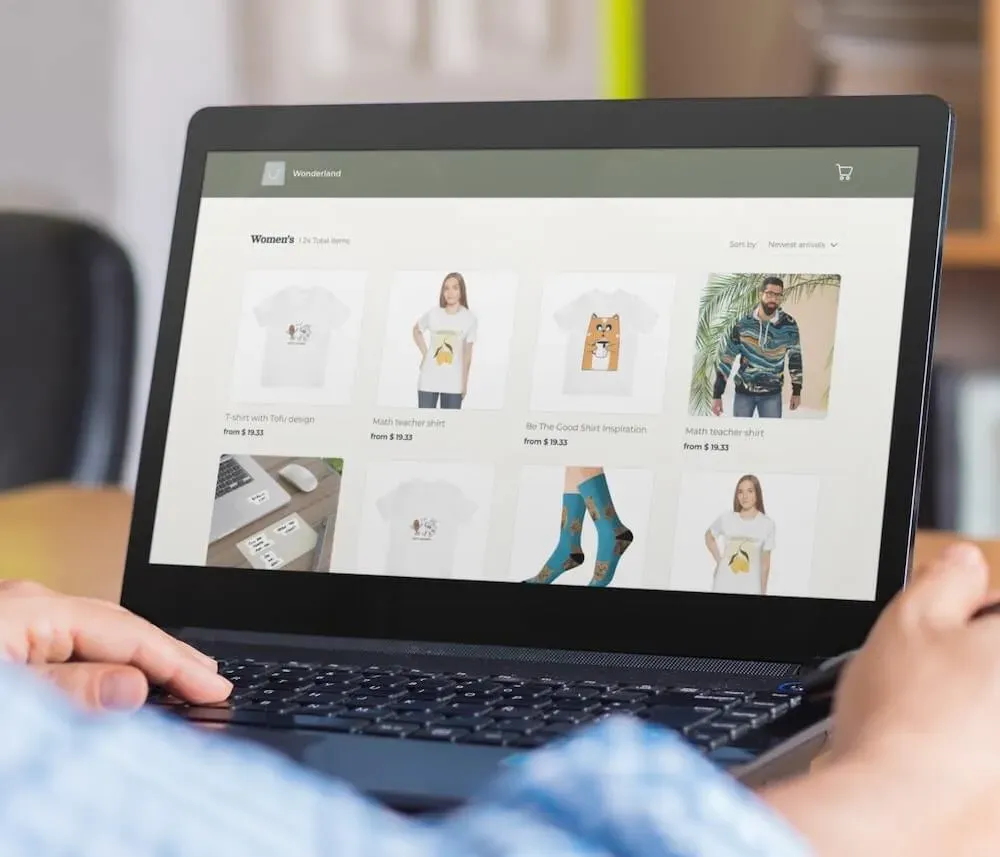
Branding Your Print on Demand Store is more than just a logo or a catchy tagline; it is the core of effective print on demand branding. In the crowded world of e-commerce, POD brands compete not only on product quality but also on the impression they leave. A strong brand identity helps customers recognize your store, trust your products, and feel confident buying again. This guide dives into how to build a cohesive brand from the logo design to the packaging for POD, ensuring every touchpoint reinforces who you are and what you stand for. By aligning visuals, messaging, and customer experience, you create a memorable, trusted storefront with consistent brand consistency across channels.
Think of it as building a cohesive brand image and visual identity for your storefront rather than chasing a single emblem. Beyond a logo, align typography, color, and tone to convey a consistent brand voice across product pages, packaging, and social channels. The aim is store aesthetics, brand storytelling, and customer experience that foster recognition and trust. Using Latent Semantic Indexing principles, you can weave related concepts like brand personality, packaging design, packaging for POD, and brand consistency into your strategy while keeping messaging natural. This approach broadens topic relevance for search while keeping the messaging clear and compelling.
1) Branding Your Print on Demand Store: Why branding matters in the POD marketplace
Branding Your Print on Demand Store is more than a logo or tagline; it’s the compass guiding how customers perceive your store in a crowded market. A strong brand helps shoppers recognize you across storefronts, product pages, social channels, and packaging, transforming first impressions into lasting trust. When you present a cohesive identity, you reduce hesitation and increase perceived value, making buyers more confident in choosing your products.
In the POD space, where production and fulfillment can be outsourced, brand becomes the primary differentiator. Clear messaging, a distinct logo design, and thoughtful packaging communicate professionalism and reliability, turning casual browsers into repeat customers. By weaving in elements of print on demand branding, brand identity, and brand consistency, you create a memorable journey that supports long-term growth.
2) Establishing a cohesive brand identity for print on demand success
A robust brand identity is the backbone of a successful POD store. It encompasses your brand name, logo design, color palette, typography, and a defined voice. Start with a concise brand brief that clarifies who you serve, what you promise, and how you want to be perceived, then translate that into tangible assets that scale across touchpoints.
Your logo design should be versatile and recognizable on a website header, product tag, or packaging label. Establish a color palette and typography that reflect your personality—bold, premium, playful—and keep them consistent across all assets. A clearly written brand voice helps customers connect with your story, strengthening trust and loyalty across channels.
3) Logo design that makes an impression: from concept to packaging relevance
Logo design is a critical pillar of Branding Your Print on Demand Store. A great logo works at small and large sizes, translates in monochrome, and adapts to materials from screen graphics to packaging labels. For POD, simplicity, relevance, versatility, and memorability become your north stars as you craft a mark that signals what you sell without clichés.
A practical approach is to generate a few logo concepts and test them in real placements—website header, product tag, and packaging sticker—to see which remains effective across formats. When working with a designer, request scalable vector files (SVG/AI) and assemble a small brand kit with color codes and usage guidelines to maintain consistency on packaging for POD and beyond.
4) Packaging for POD as a branding touchpoint
Packaging becomes the first physical interaction after a purchase, making it a powerful branding touchpoint for your POD business. Thoughtful packaging design communicates brand values—eco-friendly materials, premium finishes, or playful visuals—and elevates the unboxing experience to encourage social shares and word-of-mouth.
Develop packaging strategies that reinforce your identity: choose materials aligned with brand values, include branded inserts like thank-you notes or care instructions, and ensure visual consistency across boxes, bags, and mailers. A strong packaging plan strengthens perceived quality and brand consistency across touchpoints, driving repeat purchases and reinforcing trust.
5) Consistency across channels: sustaining brand storytelling on e-commerce, marketplaces, and social
Brand consistency means delivering a unified experience across every customer touchpoint, from your own store to marketplaces and social channels. Ensure banner imagery, product titles, and descriptions reflect your branding, and apply your color palette and typography wherever possible. A cohesive cross-channel presence helps customers recognize your identity the moment they encounter your brand.
To implement this consistently, develop clear assets and guidelines—templates for product descriptions, social posts, and packaging—that reinforce your brand voice and visual identity. By prioritizing brand consistency, you strengthen trust, improve conversion rates, and create a memorable shopping journey that ties your logo design, packaging for POD, and overall brand identity into a single, recognizable story.
Frequently Asked Questions
What is Branding Your Print on Demand Store and why does it matter for customer perception?
Branding Your Print on Demand Store is about shaping how customers perceive your store across storefronts, product pages, social media, and packaging. A strong brand identity, including a thoughtful logo design and consistent packaging for POD, builds trust, reduces hesitation, and encourages repeat purchases.
What are the essential elements of a cohesive brand identity for Branding Your Print on Demand Store?
Core elements include your brand name, logo design, color palette, typography, and brand voice. For Branding Your Print on Demand Store, ensure your logo design is scalable, colors remain consistent, typography stays legible, and messaging aligns with packaging for POD to support brand consistency.
How should I approach logo design for Branding Your Print on Demand Store to ensure versatility?
Focus on simplicity, relevance, and versatility so your logo works on labels, websites, and packaging. For Branding Your Print on Demand Store, request scalable vector files (SVG/AI) and assemble a small brand kit with color codes and usage guidelines to maintain consistency.
How can packaging for POD reinforce brand consistency across channels for Branding Your Print on Demand Store?
Packaging acts as a physical touchpoint and storytelling vehicle. Use a consistent color palette, logo placement, typography, and branded inserts across boxes, bags, and mailers to reinforce brand identity and encourage repeat purchases.
What practical steps can I take in 30 days to implement branding for Branding Your Print on Demand Store?
Week 1: define identity and begin the logo design; Week 2: build brand guidelines and image styles; Week 3: apply branding to packaging and product pages; Week 4: test, collect feedback, and refine. Throughout, weave in print on demand branding and brand consistency to strengthen SEO and cohesion.
| Section | Key Points |
|---|---|
| Introduction |
|
| Why branding matters for a print on demand store |
|
| Establishing a cohesive brand identity |
|
| Logo design: the first impression that lasts |
|
| Packaging as a powerful branding touchpoint |
|
| Visual consistency: product photography and branding |
|
| Brand voice and messaging across channels |
|
| Consistency across channels: e-commerce, marketplaces, and social |
|
| A practical plan to implement branding in 30 days |
|